
Every child’s learning journey is unique, but developmental milestones provide a helpful roadmap for understanding how kids typically grow, learn, and build skills over time. These milestones aren’t about comparing your child to others—they’re about recognising patterns, supporting progress, and celebrating growth. When you understand what to expect at each stage, you can better nurture your child’s confidence, curiosity, and love of learning.
Here’s a guide to the major educational milestones from early childhood through the early school years, along with tips for supporting your child at every stage.
Early Childhood (Ages 2–4): Building the Foundations
In the early years, learning happens through exploration and play. According to this girls school in Surrey, children begin developing skills that will serve as the groundwork for future academic growth.
Typical Milestones:
- Recognising shapes, colours, and simple patterns
- Using basic sentences and expanding vocabulary
- Following simple instructions
- Beginning pretend play and showing early problem solving
- Holding crayons, drawing circles, and attempting letters
- Showing interest in books and storytelling
How to Support:
- Read daily—ask questions about pictures and characters.
- Offer hands-on activities: blocks, puzzles, sorting games.
- Encourage imaginative play and open-ended toys.
- Use everyday moments (shopping, cooking) as learning opportunities.
Preschool to Kindergarten (Ages 4–6): Expanding Skills and Confidence
Children rapidly build cognitive, social, and physical abilities during this period. School readiness becomes more evident.
Typical Milestones:
- Recognising letters and beginning letter–sound associations
- Counting objects and recognising numbers
- Writing their name and drawing more detailed pictures
- Engaging in cooperative play and following classroom routines
- Understanding simple time concepts (yesterday, today, tomorrow)
- Asking lots of “why” questions as curiosity grows
How to Support:
- Practice letter and number recognition in playful ways.
- Encourage storytelling—ask them to retell events or make up stories.
- Set simple routines to help them learn structure.
- Celebrate effort rather than perfection to build confidence.
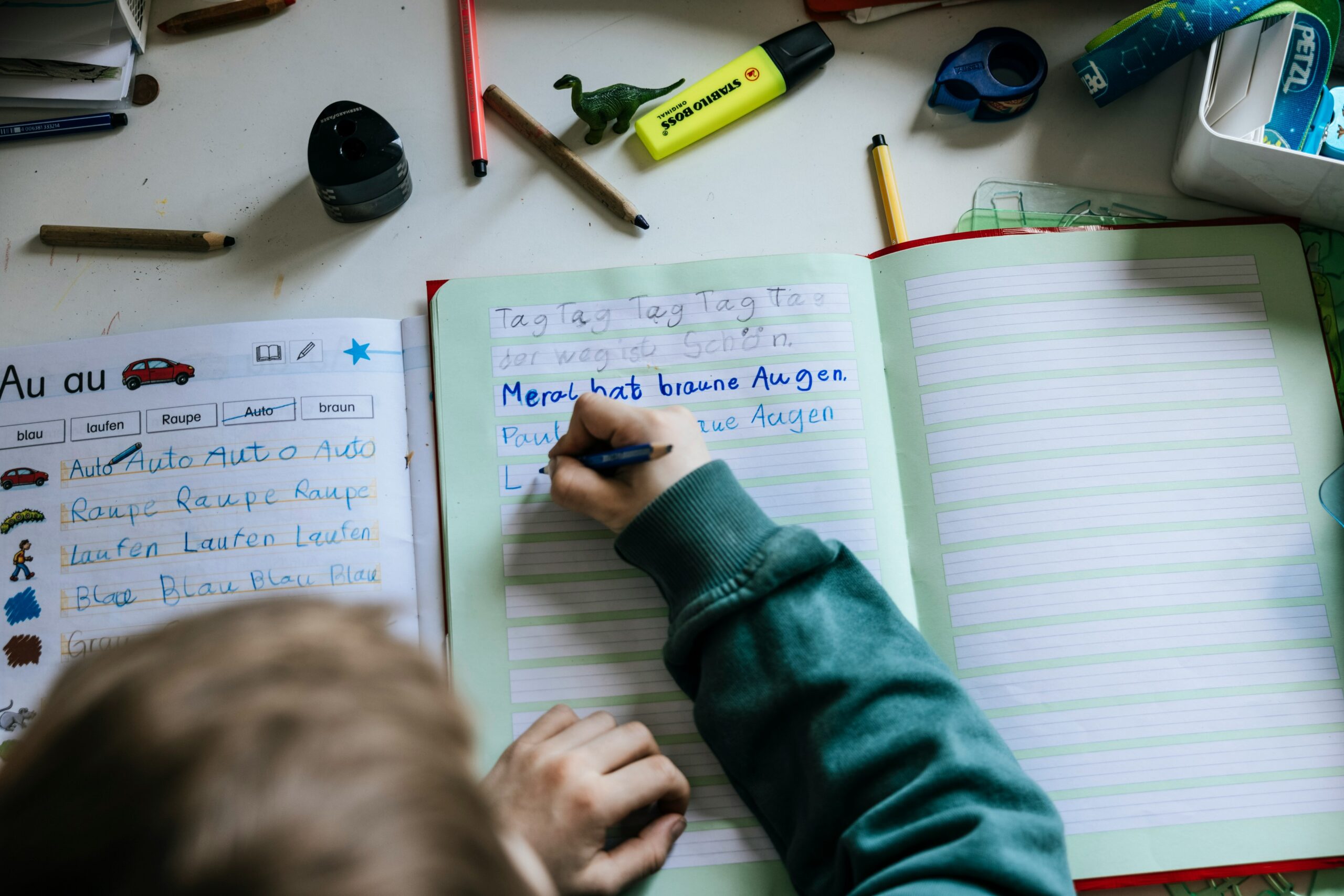
Early Elementary (Ages 6–8): Strengthening Core Academic Skills
As children move into elementary school, foundational academic skills begin to take shape, and learning becomes more structured.
Typical Milestones:
- Reading simple books with increasing fluency
- Understanding basic math concepts (addition, subtraction)
- Writing complete sentences and short paragraphs
- Following multi-step instructions
- Beginning to understand rules, fairness, and empathy
- Showing longer attention spans and improved problem solving
How to Support:
- Read together and talk about characters, predictions, and lessons.
- Use real-world math—cooking measurements, counting change.
- Encourage journaling or drawing to express thoughts.
- Provide opportunities for independent tasks to build responsibility.
Upper Elementary (Ages 8–10): Developing Independence and Critical Thinking
Children at this stage become more independent learners and start connecting ideas at a deeper level.
Typical Milestones:
- Reading chapter books and summarising stories
- Understanding more complex math (multiplication, division, fractions)
- Completing longer assignments and projects
- Showing increased emotional awareness and peer sensitivity
- Starting to manage time with guidance
- Asking more thoughtful, analytical questions
How to Support:
- Offer quiet time and space for homework or reading.
- Encourage discussions about what they’re learning and why it matters.
- Introduce basic planning tools like calendars or checklists.
- Support friendships and help navigate social challenges.
Signs Your Child May Need Extra Support
Every child develops at their own pace. Still, you might consider additional guidance if you notice:
- Persistent difficulty with basic skills like letter recognition or counting
- Trouble following instructions or staying focused
- Declining confidence or frequent frustration
- Avoiding reading, writing, or homework
If you have concerns, reach out to teachers, pediatricians, or specialists early—early intervention can make a big difference.
Understanding educational milestones helps you meet your child exactly where they are. Instead of rushing progress, you can celebrate achievements, gently guide growth, and encourage a lifelong love of learning. Remember: milestones are markers, not measurements of worth. Your steady support, patience, and encouragement matter far more than any timeline.
With awareness and connection, you can empower your child to grow not just academically, but emotionally and socially—ready to take on the world with confidence.
You may also like
Top Tips for Building a Relationship with Your Child’s Teachers