The phrase global citizen has become slightly worn through overuse, but the underlying idea is real and important. Children growing up today will live and work in a world that is more interconnected than any previous generation has known. Helping them develop a wide, curious, well-informed view of that world is one of the most useful things parents can do.
Start at the Map
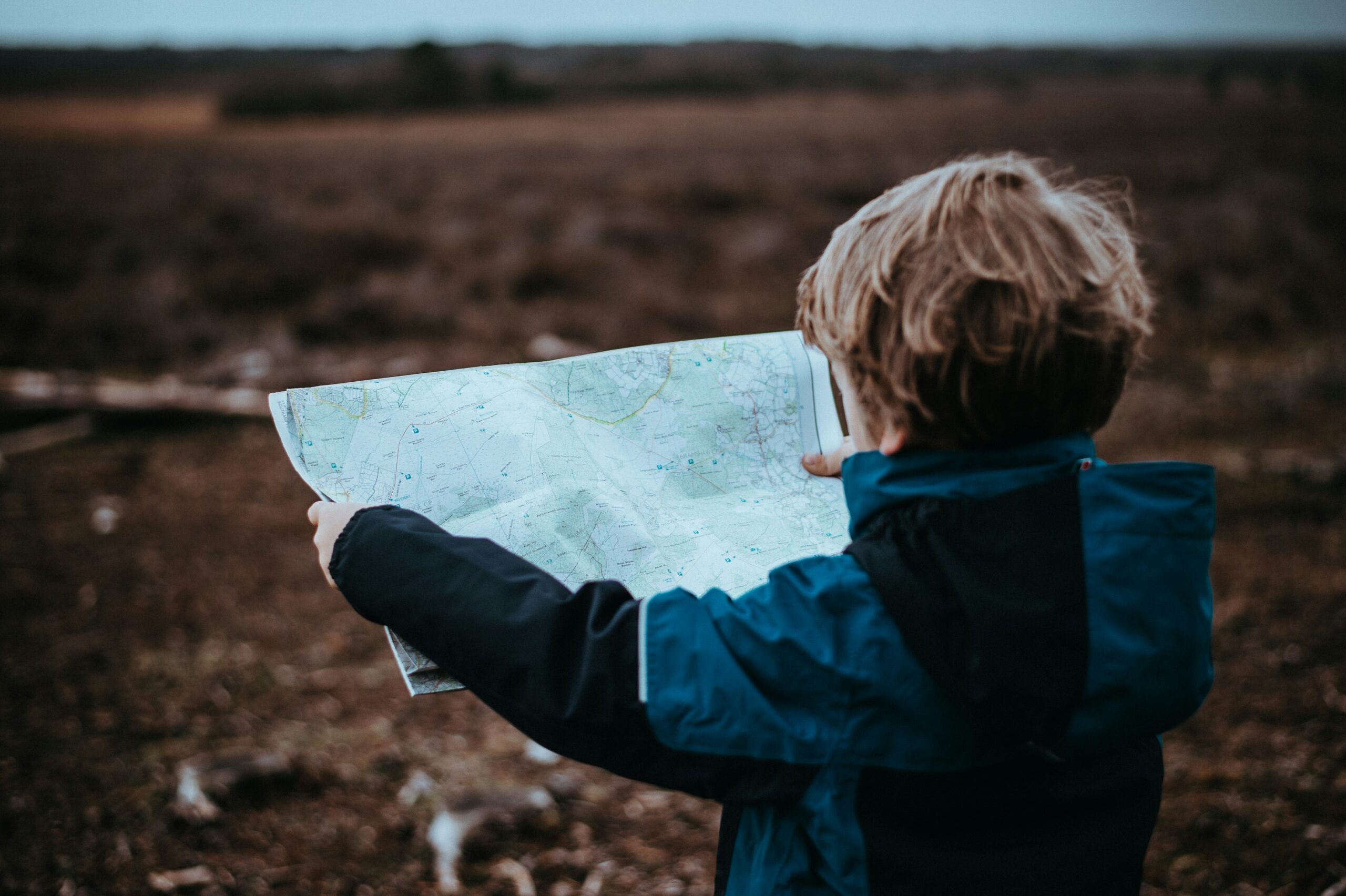
An astonishing number of children, well into the primary years, have only a vague sense of where countries are. A wall map in the kitchen, a globe in the lounge, an atlas on the coffee table, all of these quietly build geographical literacy without any formal teaching. When something is in the news, walk over and point to it. Where is Ukraine? Where is Indonesia? Where is Brazil?
Children who grow up around maps develop an intuitive sense of geography that no number of school lessons can quite replicate.
Open the Plate
Food is one of the most direct ways into other cultures. Schools that take a broad cultural approach to education often weave food and cultural experience into their curriculum deliberately. St Christopher’s Hove and many similar schools recognise that food is more than nutrition. It is geography, history, tradition and family memory all on a plate.
Cook from cuisines you did not grow up with. Try a new restaurant for a family birthday. Talk about where ingredients come from. A child who is comfortable trying new foods is, in a small but real way, building the disposition of a global citizen.
Take the News Seriously
Almost no British primary school child consumes news. Most secondary school children consume only short, algorithmically selected fragments. Helping your child develop a relationship with the news, ideally through a quality source, is one of the more useful long-term parenting interventions.
- Newsround on the BBC for younger children is genuinely good.
- First News, a children’s newspaper, works well for older primary readers.
- The Day, an online platform aimed at older children and teenagers, provides longer-form journalism.
- Family discussion of current events, even briefly, teaches that the world matters.
Travel With Open Eyes
Travel can broaden a child’s view of the world, or, badly done, can narrow it. The difference lies in how you approach the places you visit. Treat the people of a country as guides to a way of life, not as scenery. Eat their food, attempt their language, watch how they treat their children, ask their questions back.
Children who learn to do this on holiday will later do it at university, in their careers and across their adult friendships. The early framing matters far more than the specific country.
Friendships Across Difference
The single most powerful experience that makes a child genuinely global in their outlook is friendship across difference. Not abstract appreciation of diversity, but real friendships, with all the inside jokes, frustrations and shared memories that real friendships involve.
Where possible, choose schools, clubs and neighbourhoods that put your child in genuine proximity to children from different backgrounds. Schools like St Christopher’s Hove, with their international communities, give children a head start in this. Any school can do it well if it is taken seriously.
Take Languages Seriously
A child who speaks a second language has a different relationship with the world than a monolingual child. Even partial fluency carries cultural depth that translation cannot reach. Take your child’s language learning seriously, support it at home and find ways to use the language in real-life contexts.
If your child’s school takes languages seriously, you have a head start. If not, look for after-school classes, language exchanges, family holidays in the language country, or one of the many online tutoring platforms that now exist.
Stay Aware of Your Own Lens
Children pick up worldview from the adults around them. The way you talk about other countries, other religions, other political systems, other peoples, all of this is being absorbed. Notice the casual generalisations that slip into family conversation. Notice the tone you use when current events are discussed.
Helping your child become a global citizen does not require perfection on your part. It requires you to keep examining your own lens, to be honest about uncertainty and to model the kind of curiosity you want your child to develop.
The Long Outcome
Children who grow up with a genuine, lived sense of the wider world tend to become adults who can navigate it. They take jobs in different countries. They form friendships across cultures. They engage thoughtfully with politics, both at home and abroad. They contribute to the kind of pluralism that healthy democracies depend on.
None of this is dramatic. It is the cumulative effect of family conversations, kitchen maps, books, films, holidays and friendships, sustained across childhood. The work is small. The dividend lasts a lifetime. For more on internationally-minded prep school education, visit https://www.stchristophershove.org.uk/.
About the Author
This article was contributed by St Christopher’s, Hove, an independent prep school on the south coast with a strong creative, international and pastoral tradition. Learn more: https://www.stchristophershove.org.uk/
You may also like