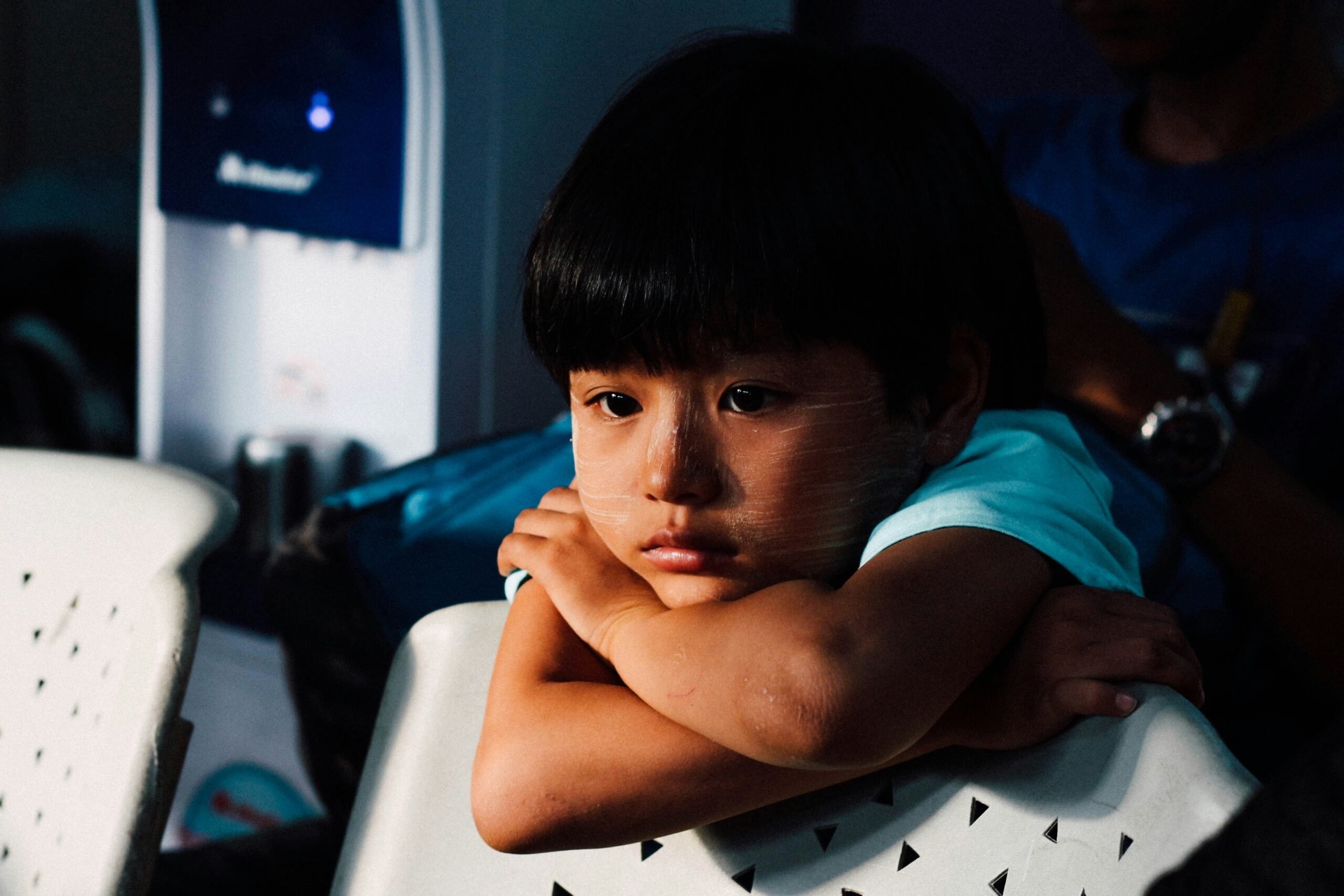
Modern childhood has, almost without anyone deciding it, become unusually full. School. Clubs. Lessons. Homework. Sport. Screens. Friends. Family. Down time, properly unfilled, has been quietly squeezed out. The unfashionable but well-supported case from child development research is that this matters. Children need boredom. Their brains do their most interesting work when they are not being entertained.
The big idea Boredom is not the enemy of creativity. It is the precondition for it. A child who has nothing to do is a child who will, in time, find or invent something to do, and the something they choose is often the most valuable activity of the week.
What Boredom Actually Triggers
When a child runs out of external stimulation, their brain switches into a different mode. The default mode network, in neurological terms, becomes more active. This is the network associated with mind-wandering, self-reflection, daydreaming and creative thinking. In children, it is also the network where much of the inventive, imaginative play of childhood originates.
If you fill every moment with input, this network rarely gets to do its work. The child becomes a consumer of activity rather than an inventor of it.
What Bored Children Do Eventually
Anyone who has spent time with children given a long, empty afternoon will recognise the pattern. Prep schools that protect time for free play and exploration know this well. The Roche School and many similar schools resist the temptation to over-programme the school week, recognising that children who are allowed to be bored at times tend to produce more creative work, develop more durable friendships and demonstrate stronger self-direction over time.
- They invent games with whatever is to hand.
- They construct elaborate make-believe scenarios.
- They draw, build, write or make something.
- They have conversations with siblings or friends that no adult-led activity would produce.
- They sometimes simply sit, think, watch and rest.
Each of these is doing significant developmental work that no organised activity quite replicates.
Why Modern Childhood Squeezes Out Boredom
Several pressures combine to make modern childhood unusually full. Parents, anxious about their children falling behind, fill the week with enrichment. Schools, anxious about results, fill the day with measurable activity. The home, anxious about boredom complaints, fills the gaps with screens. None of these decisions is unreasonable in isolation. Together, they produce children who have rarely experienced the productive stretches of unfilled time that previous generations took for granted.
The screen point is worth dwelling on. A child who reaches for a phone or tablet the moment they feel a flicker of boredom will never experience the deeper stages of unfilled time, where the interesting thinking happens. The instant availability of entertainment is, in its own way, a kind of cognitive impoverishment.
How to Protect Boredom
Deliberately building unfilled time into the family’s week is one of the more counter-cultural parenting moves available. Some practical ways:
- Keep one weekend day mostly unscheduled. No clubs, no plans, no organised activities.
- Resist the urge to suggest an activity within the first ten minutes of complaint.
- Keep screens out of reach during the daylight hours of any unfilled day.
- Have raw materials available: pens, paper, cardboard, tape, sticks, fabric, simple tools.
- Trust the boredom. The interesting thing will emerge, eventually, if you wait.
When Boredom Feels Genuinely Painful
For children unused to it, real boredom can feel uncomfortable, even distressing. This is not a sign that they need more entertainment. It is a sign that they need more practice at tolerating unfilled time. Like any tolerance, this builds with exposure.
Stay close, but do not rescue. A reassuring presence in the room, with you doing something quiet of your own, helps a child sit with the boredom long enough for it to break into something useful. The first few times will be the hardest. By the third or fourth time, your child will be inventing their afternoons more than complaining about them.
Different Kinds of Free Time
Not all unfilled time is created equal. Boredom in front of a screen is not boredom in any meaningful sense. The brain is still being externally stimulated. Boredom in a room with materials, in a garden, in a wood, on a beach, is different. The external input has gone, and the child’s own resources become the source of activity.
Schools like The Roche School often build outdoor unstructured time into the school day for exactly this reason. The natural world is one of the best partners for productive boredom, partly because it offers raw materials but no instructions.
The Long Pay-Off
Adults who can sit with their own thoughts, generate their own ideas and entertain themselves without external stimulation tend to live richer creative and emotional lives. They are also less vulnerable to the addictive pull of constant entertainment that haunts so much of modern adult life.
These capacities are built in childhood, in those slow, unstructured afternoons that look, on the surface, like nothing much is happening. They are some of the most valuable hours of a child’s week. For more on broad, joyful prep school education, visit https://therocheschool.com/.
About the Author This article was contributed by The Roche School, an independent prep school in south-west London, offering a warm, family-feel education with a strong sense of curiosity and joy in learning. Learn more: https://therocheschool.com/
You may also like
Could Boredom Boost Creativity In Children?