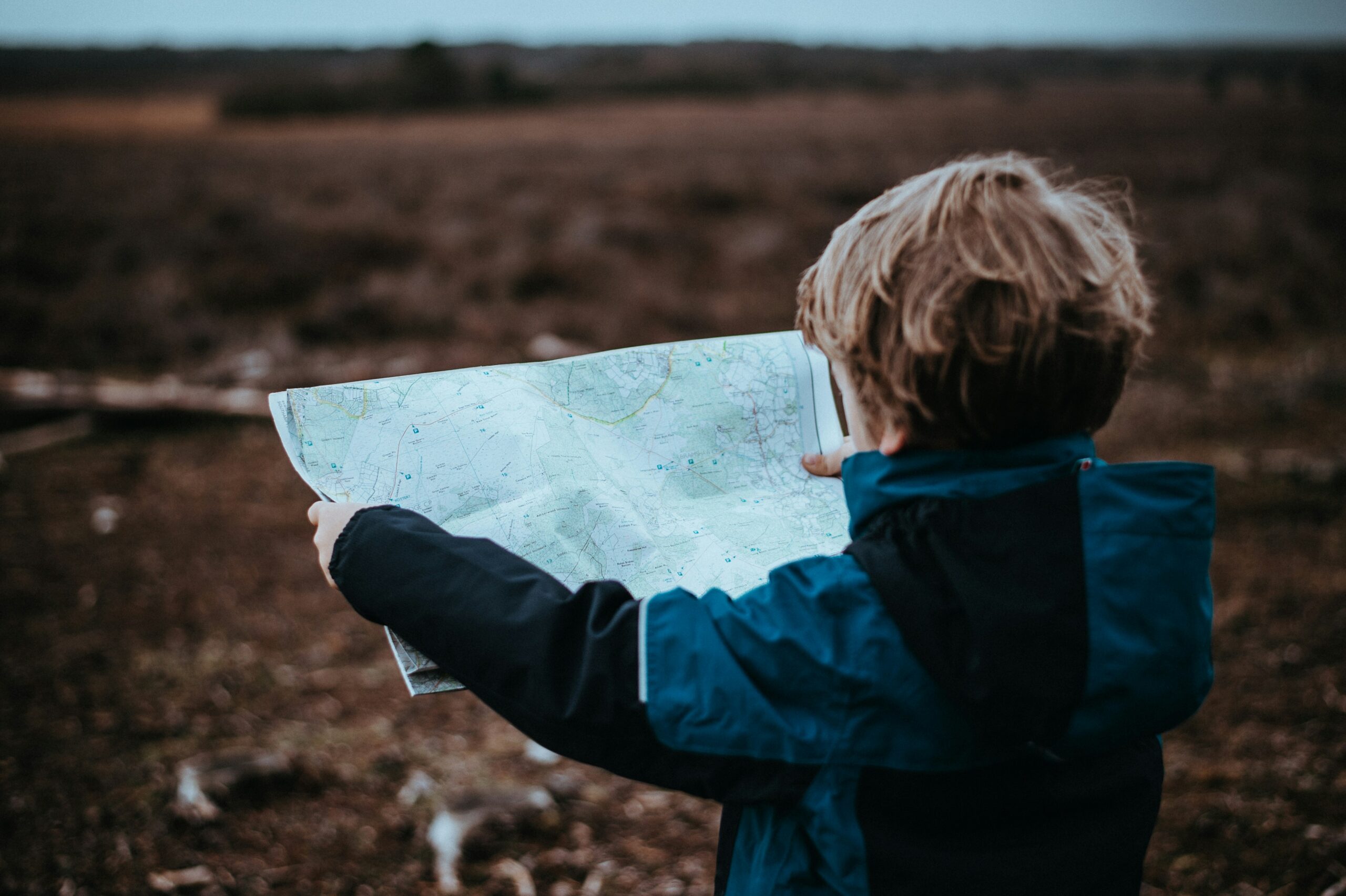
Travelling with children is about keeping them entertained, sure, but it’s also about opening their eyes to the world. The right destination can spark curiosity, build confidence, and turn everyday moments into learning opportunities. And the best part? They often don’t even realise they’re learning! History, science, culture or nature: educational travel gives kids a chance to explore subjects in real life, not just in the classroom. It’s immersive and often far more effective than any worksheet or textbook.
History that comes alive
Some places make history feel like a story they’re part of. Walking through ancient ruins, climbing castle towers, or standing where real events happened is simply unforgettable. Cities like Rome and Athens are brilliant for this. You’re not just reading about emperors and philosophers; you’re standing where they stood. Kids absorb more when they can see and touch it and ask questions in the moment. It’s the kind of learning that sticks.
In Rome, for example, the Colosseum and Roman Forum offer a hands-on way to explore ancient civilisations. Many guided tours are designed specifically for families, with interactive storytelling and scavenger hunts to keep younger minds. In Athens, the Acropolis Museum has child-friendly exhibits and activity booklets that make mythology and archaeology feel like an adventure. These destinations bring dusty history to life.
Nature that teaches without trying
Wildlife parks, coastal trails, and rainforest walks offer lessons that no textbook can match. Watching dolphins leap, spotting rare birds, or learning how ecosystems work – all while having fun. Places like Costa Rica or the Scottish Highlands are perfect for this. You get fresh air, freedom to roam, and a chance to talk about conservation in a way that feels real. It’s hands-on, muddy-boot learning, and it’s brilliant!
Costa Rica, in particular, is a biodiversity hotspot. Families can visit cloud forests, volcanoes, and turtle nesting beaches all in one trip. Programmes like Kids Saving the Rainforest offer educational tours and volunteering opportunities for children. Closer to home, the Scottish Highlands provide a brilliant introduction to geology, wildlife tracking, and outdoor survival skills. Organisations offer family-friendly resources to help children connect with nature in meaningful ways.
Culture that sparks curiosity
Introducing children to different cultures helps them understand the world beyond their own bubble. And we’re not just talking food and festivals, but language, customs, and daily life. A visit to Japan, for example, can lead to conversations about respect, tradition, and technology. And a well-planned Egypt holiday, alongside destinations like Jordan or Turkey, can bring ancient civilisations to life in a way that’s both exciting and educational. From hieroglyphs to pyramids, it’s a chance to explore stories they’ve only seen in books!
In Egypt, children can explore the Great Pyramids of Giza, sail on a felucca along the Nile, and learn about mummification in the Egyptian Museum. Many tour companies, such as Egypt for Kids, offer family-focused itineraries that balance learning with fun. Similarly, in Jordan, Petra’s rock-cut architecture and desert landscapes offer a dramatic backdrop for lessons in archaeology and Bedouin culture.
Cities that blend fun and learning Some cities are built for families who want both adventure and insight. In London, the Science Museum and Natural History Museum are free to enter and packed with hands-on exhibits. Berlin’s Labyrinth is designed entirely for children, with rotating exhibitions that encourage creativity and problem-solving. Copenhagen’s Experimentarium is another standout, offering interactive science exhibits that are as fun for adults as they are for kids.
These cities make learning feel like play, which is exactly how it should be.
Travel that builds confidence
Educational travel is about growth. Navigating airports, trying new foods, and hearing different languages helps children become more adaptable and aware. They learn to ask questions and see things from new perspectives. And that confidence often carries over into school, friendships, and how they see themselves. Even small moments, like ordering food in another language or figuring out a train map, can be empowering. Travel teaches resilience, patience, and flexibility. It also encourages empathy, as children see how other people live and realise that their way isn’t the only way.
Travel planning tips to make the most of your trip
There are several brilliant reasons to incorporate travel into your child’s education, but how do you go about planning a seamless, memorable trip with kids? If you’ve got ideas about destinations and excursions, here are some simple steps to help you make the most of your time:
- Explore tours and trips before you go
It’s a great idea to research trips, outings and excursions before you go. Read verified reviews, compare operators and agencies and think about what you want to see and do during your holiday. You can find information about Japan tours, days out in Rome and guided discoveries of Ancient Egypt online via agency websites, travel blogs and social media. Take your time to run through itineraries and programmes, check costs and dates and see what offers are available before you book. You may need to reserve spaces in advance if you’re travelling during peak season or visiting tourist hotspots.
- Get recommendations from other travellers with kids
It’s always helpful to get tips and insights from people who have already travelled to your chosen destination, especially if they have children of a similar age. It’s worth browsing blogs, social media and forums to see what fellow travellers recommend and get ideas for your itinerary. It’s also helpful to know what to avoid.
- Focus on your collective interests
It’s beneficial to focus on your interests as a family when organising an educational break and putting an itinerary together. You want it to be a meaningful learning journey, but you also want it to be a fun, unforgettable adventure. From art and history to music and geography, you can tailor your plans to cover topics and subjects you’re passionate about.
You may also like
Fly High with Ease: Mastering Air Travel with Kids