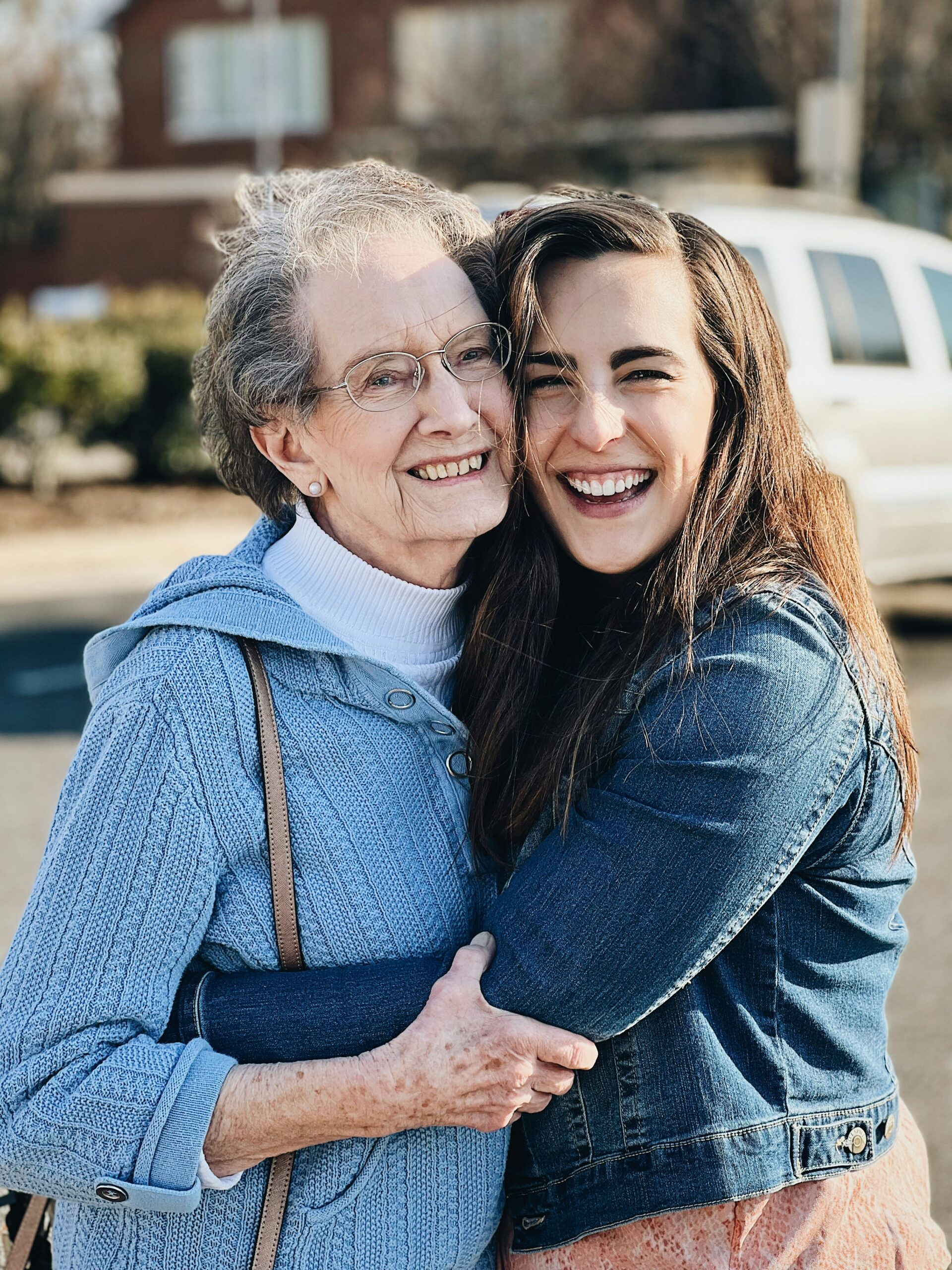
When a parent or grandparent reaches the age where daily tasks become a little harder, most families instinctively focus on the big decisions — should they move in with us, do they need a facility, what does long-term care even cost? Those are real and important questions. But in the rush to solve the big picture, a lot of families skip right over the smaller, everyday details that actually determine whether an elderly loved one can stay home safely and happily.
The truth is, most seniors want to stay home. Their routines are there. Their memories are there. Their sense of who they are is tied to that space. Supporting that wish isn’t always about making huge changes — sometimes it’s about noticing the small things that quietly start to slip.
The Emotional Side Gets Underestimated
Families often approach elderly care as a logistics problem: grab bars installed, medication organised, meals sorted. And while all of that matters, the emotional dimension of independence is just as important and far more often overlooked. For many seniors, accepting help — especially from their own children — feels like a loss of identity. They may resist modifications to their home not because they’re being stubborn, but because every change is a reminder that things are shifting.
Loneliness and isolation also tend to creep in quietly. An older adult who no longer drives may stop attending social events. One who struggles with stairs may simply stop going upstairs. These limitations compound over time, affecting mood, motivation, and cognitive sharpness. A senior who feels engaged, useful, and connected to other people is genuinely healthier — physically and mentally — than one who is technically safe but effectively isolated. There’s a lot of good guidance available on the practical side of all this. Resources covering elderly independence at home — from home modifications and fall prevention to companionship and daily assistance — can help families think through both the physical and emotional pieces together. Change Inc., a CARF-accredited home care provider based in Connecticut, takes exactly this kind of whole-person approach. Their services go beyond task-based help to include genuine companionship, accompaniment to appointments, recreational activities, and personalised care plans that are built around what each individual actually needs to feel independent and supported — not just cared for. Because there is a real difference between the two.
The Home Itself Sends a Message
According to the Centers for Disease Control and Prevention, falls are the leading cause of injury among adults aged 65 and older, and one in four older adults falls each year. Yet many families don’t think seriously about fall prevention until after something has already happened. By that point, confidence is shaken, fear has set in, and the path back to independence is harder.
Small changes to the home environment can do a lot of work quietly and without making the space feel clinical. Better lighting in hallways and stairwells. Lever-style door handles that are easier to grip for someone with arthritis. Non-slip flooring in the bathroom. A walk-in shower instead of a tub. These are modifications that many seniors would accept far more readily if they were framed as sensible upgrades rather than concessions to age.
Smart technology is another area families often overlook. Voice-controlled lights, medication reminder apps, video doorbells, and emergency alert devices give seniors more autonomy — not less. When an older adult can manage their own environment without having to ask for help every time, that’s a genuine quality-of-life improvement. The key is introducing these tools before they’re desperately needed, when the senior can learn them at their own pace rather than under pressure.
Routine Support Matters More Than Crisis Response
One of the biggest mistakes families make is waiting until there’s a health event — a fall, a hospitalisation, a frightening incident — before putting any kind of support structure in place. At that point, decisions are being made under stress, options feel limited, and the senior often feels like things are happening to them rather than with them.
Routine, low-level support — someone helping with housekeeping, accompanying to appointments, preparing meals a few times a week — can keep a senior active and capable far longer than reactive interventions after the fact. The goal isn’t to take over. It’s to fill in the gaps quietly so that the parts of life the senior values most remain fully in their hands.
This is also where financial management comes in. Many families are surprised to discover that a parent has been struggling with bills, missing payments, or simply feeling overwhelmed by paperwork. Bill payment assistance — a service that often goes unmentioned in discussions about elderly care — can remove a significant source of daily stress and free up mental energy for more enjoyable things.
The Conversation Itself Is Often the Most Overlooked Part
Perhaps the thing families overlook most consistently is simply asking. What does your parent actually want? What parts of their daily life feel manageable and what parts feel like a struggle? What would help them feel more confident, not just safer? These questions are harder to ask than they might seem because they require sitting with the answers — including the ones that are difficult to hear.
Seniors who feel consulted and involved in decisions about their own care respond better to whatever support is put in place. Those who feel like things are being arranged around them — without their input — tend to resist, even when the support is genuinely helpful. The difference between a care plan that works and one that doesn’t often comes down to whether the person at the centre of it felt heard from the start.
Starting that conversation early, before a crisis makes it urgent, gives everyone more time, more options, and more space to get it right.
Conclusion
Keeping an elderly loved one independent at home is rarely about one big decision. It’s about dozens of small ones — the lighting in the hallway, the conversation you have before things get difficult, the companion who shows up on Tuesday afternoons and makes the whole week feel less lonely. Families who plan ahead, who ask the right questions early, and who look at both the practical and the emotional dimensions of aging at home tend to find that independence is genuinely sustainable for much longer than they expected.
It doesn’t have to mean doing everything yourself, either. The right support — whether that’s a home modification, a technology tool, or a compassionate caregiver who genuinely connects with your loved one — is what makes the difference between independence that feels like a struggle and independence that actually feels like living.
You may also like
What Are the Benefits of Generational Family Farms?