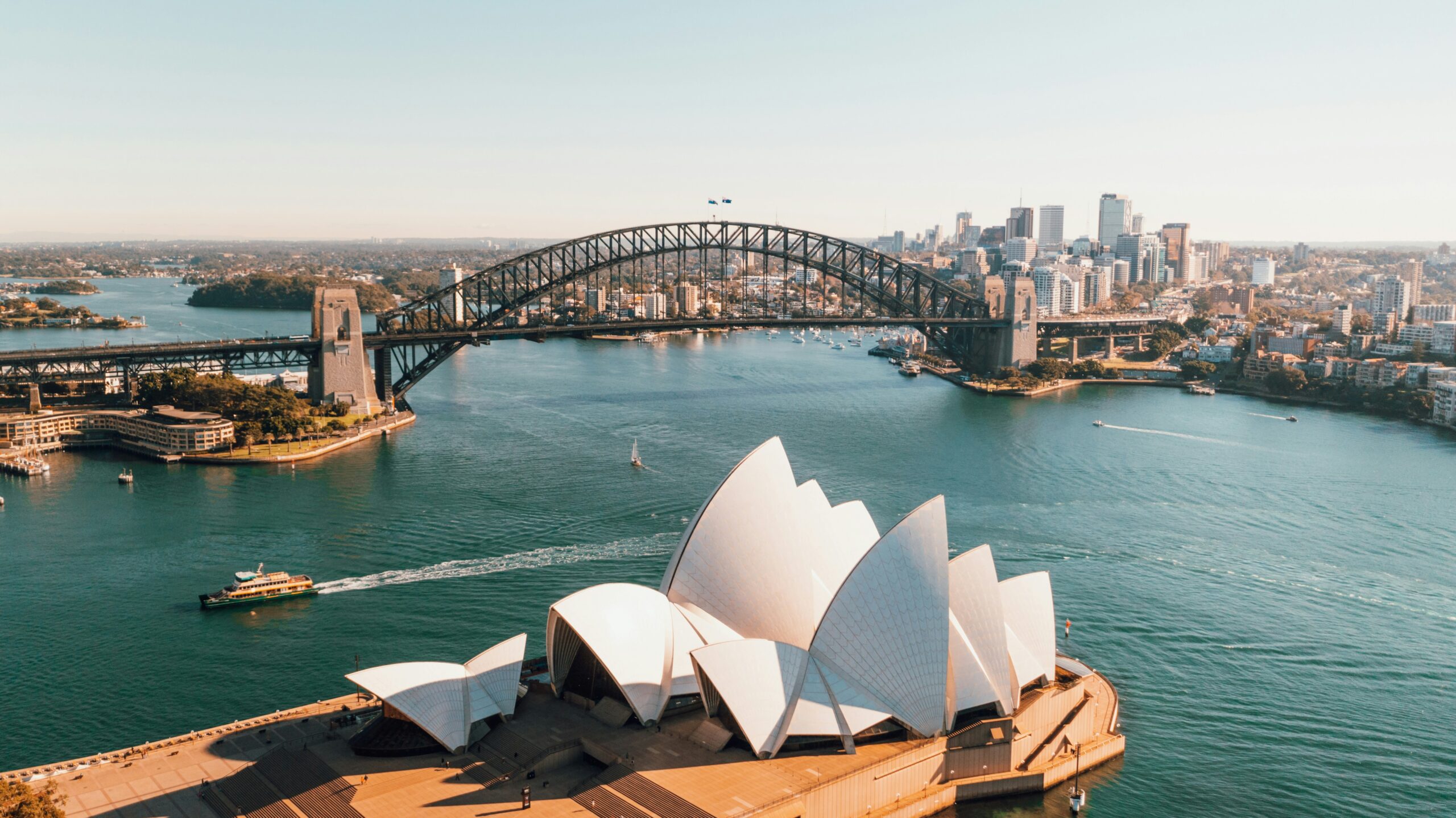
Australia is famous for its beautiful beaches, incredible wildlife, vibrant cities and unforgettable road trips. Unfortunately, it’s also known for being one of the more expensive countries to visit. But does travelling around Australia really have to cost a fortune or is it possible to do Australia on a budget?
The good news is that travelling Australia on a budget is absolutely possible. With a little bit of planning, some clever money-saving tricks and a willingness to explore beyond the usual tourist hotspots, you can experience the best of Down Under without emptying your bank account and still have the best time.
Whether you’re planning a two week holiday, a month long adventure or an extended backpacking trip, this guide covers how to save money on accommodation, transport, food, activities and more when travelling around Australia.
1. How Much Does It Cost to Travel Australia?
Before planning your Australian adventure, it’s worth understanding how much money you’ll realistically need.
Australia isn’t the cheapest destination, particularly when it comes to accommodation, eating out and travelling between cities. However, your daily expenses will depend on your travel style, the destinations you visit and how far in advance you book.
For example, backpackers tend to spend an average of $80-$100 a day where as those that want a luxury no expense spared experience can spend upwards of $300 a day.
Budget travel tip: Sydney and Melbourne can be expensive, particularly during peak travel periods. Spending more time in smaller towns or less touristy areas can help stretch your budget.
2. Visit Australia at the Cheapest Time of Year
One of the easiest ways to save money on an Australian holiday is to choose your travel dates carefully. Australia’s peak tourist season generally falls during their summer months, from December to February, when accommodation prices in popular coastal destinations can rise significantly. It’s also best to avoid t=times like Christmas, New Year and school holidays, both ours and theirs.
If you can be flexible with your dates then we recommend looking at planning your travels between the following months:
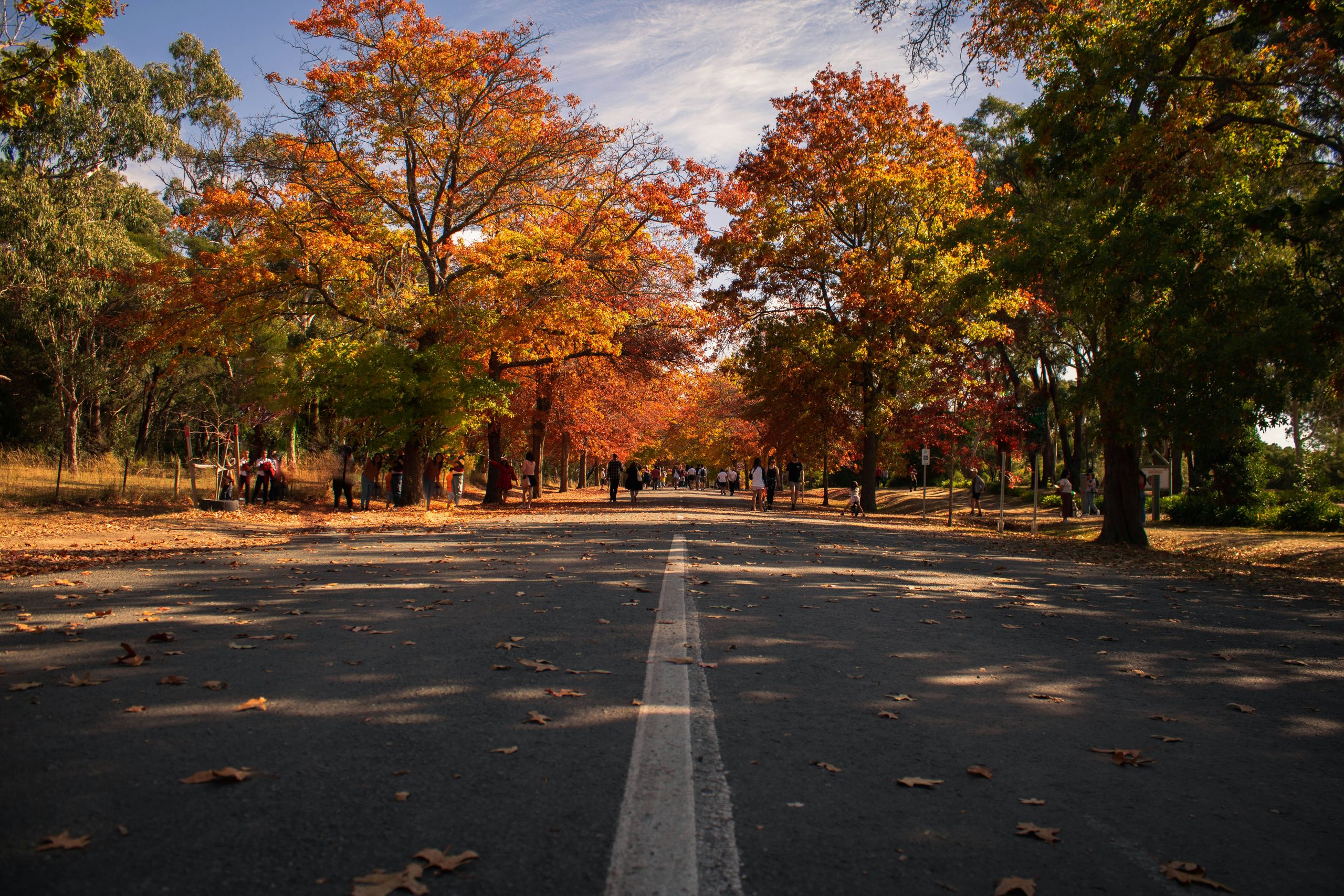
- March to May: An Australian autumn offers pleasant weather especially in the more southern places and the accommodation will be significantly cheaper.
- September to November: An Australian spring is a great time for exploring cities, national parks and coastal regions as the weather is cooler and it’s not too busy.
3. Find Cheap Accommodation in Australia
Accommodation can quickly become one of your biggest expenses when travelling around Australia. Fortunately, there are plenty of ways to reduce the cost such as:
Stay in hostels
Hostels are a popular option for backpackers and solo travellers. You’ll find them in most major Australian cities and tourist destinations and they are considerably cheaper than hotels and villas.
Even when it comes to booking a hostel you can still save even more money by booking a dormitory bed instead of a private rooms.
Consider holiday parks and camping
If hostels aren’t for you then maybe consider holiday parks or even camping instead. This can be particularly good if your trying to do Australia on a budget with kids.
There are even some places in Australia where you can camp for free but always check local camping restrictions before you arrive as free camping isn’t permitted everywhere and some sites require advanced booking.
Book accommodation early
If you’re visiting popular destinations such as Sydney, Byron Bay, the Gold Coast or Cairns, booking early can make a noticeable difference to your over all costs. Always compare prices using accommodation booking websites, the property’s official websites and third party sites like air b and b to get the best price possible.
4. Save Money on Transport Around Australia
Australia is huge, and getting from one destination to another can be surprisingly expensive. The distance between Sydney and Melbourne alone is around 880 kilometres by road, while travelling between Australia’s east and west coasts involves considerably longer journeys, so choosing the right transport can make a big difference to your travel budget.
Use public transport in major cities
Sydney, Melbourne, Brisbane and Perth all have public transport networks that can help you explore without hiring a car.
Compare domestic flights
For longer distances, flying can sometimes be cheaper than driving, particularly when you consider fuel, accommodation and the number of days spent travelling.
5. Eat Cheaply Without Missing Out on Australian Food
Eating out in Australia can be expensive, especially in popular tourist areas. However you don’t need to survive on instant noodles when doing Australia on a budget, you just need to plan ahead.
Shop at supermarkets
Australian supermarkets such as Woolworths, Coles and ALDI are useful for stocking up on affordable groceries, especially if you are staying in self catering accommodation as your can make your own meals and save a considerable amount of money.
Taking packed lunches out with you is also a great money saving tip, especially if your are travelling with kids as it prevents having to make last minute decisions about where to eat when the kid are getting hangry.
Make use of public barbecues
One of Australia’s best budget travel secrets is its public barbecue facilities. Many parks, beaches and picnic areas have free or low-cost electric barbecues that visitors can use which is perfect for those who don’t have cooking facilities where they are staying.
Simply grab your ingredients from a supermarket, find a scenic picnic spot with public barbeque and enjoy an outdoor meal.
Look for lunch specials
Restaurants, pubs and cafés sometimes offer cheaper lunch menus or weekday specials so eating your main meal at lunchtime rather than in the evening can be an easy way to save money.
Food courts and takeaway shops can also provide good-value meals, especially away from major tourist attractions. You will still get the experience of a treat meal but without the restaurant price tags.
6. Enjoy the Best Free Things to Do in Australia
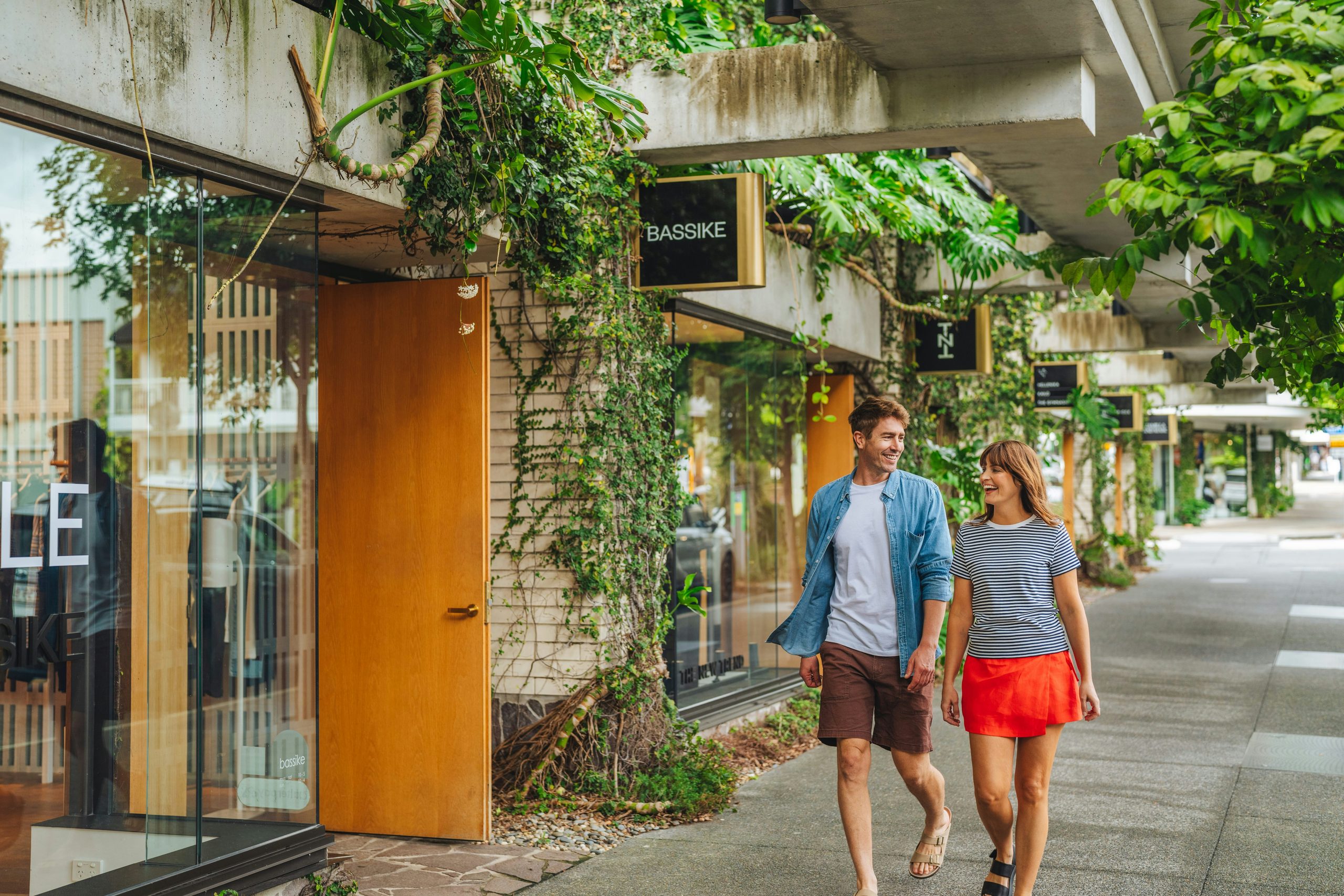
One of the best things about Australia is that many of its most spectacular attractions are completely free, from golden beaches and coastal walks to botanical gardens and incredible viewpoints, you can fill your itinerary with unforgettable experiences without spending much money.
Explore Sydney for free
Sydney might be one of Australia’s most expensive cities, but it also offers plenty of free attractions.
You can:
- Walk around Circular Quay and admire the Sydney Opera House.
- Cross the Sydney Harbour Bridge using its pedestrian walkway.
- Relax on Bondi Beach.
- Complete the famous Bondi to Coogee coastal walk.
- Explore the Royal Botanic Garden.
- Visit free permanent exhibitions at selected museums and galleries.
Discover Melbourne on a budget
Melbourne is famous for its culture, coffee, street art and lively neighbourhoods.
Budget-friendly activities include wandering through the city’s colourful laneways, visiting the Royal Botanic Gardens, exploring Queen Victoria Market and enjoying the permanent collections at the National Gallery of Victoria.
Enjoy Australia’s beautiful beaches
Some of Australia’s most memorable experiences don’t cost anything.
Whether you’re watching the sunset over the ocean, swimming at a patrolled beach or walking along a dramatic stretch of coastline, Australia’s natural beauty is a huge part of its appeal.
Popular beaches include Bondi Beach in Sydney, Noosa Main Beach in Queensland and Cottesloe Beach near Perth.
Explore national parks
Australia is home to incredible national parks, featuring everything from rainforests and waterfalls to rugged mountains and dramatic coastal scenery. Some parks offer free entry, while others charge entrance, vehicle or camping fees.
Look for self-guided walking trails and free viewpoints to enjoy the scenery without paying for organised tours.
7. Save Money on Australian Tours and Attractions
Australia has some incredible paid experiences, including snorkelling on the Great Barrier Reef, wildlife encounters, scenic flights and guided outback adventures.
These activities can be expensive, but that doesn’t mean you should skip them all. Instead, prioritise the experiences that matter most to you.
If seeing the Great Barrier Reef is your dream, consider saving money on accommodation and meals so you can afford a reputable reef tour and always remember to compare different operators, check exactly what’s included and look for any additional charges such as equipment hire, park fees or transfers before you commit.
It’s also worth checking whether combination tickets or multi-attraction passes actually save money compared with purchasing only the experiences you want, especially if you are going to be in the area for a while and may want to do more than one trip.
Budget travel tip: Don’t spend money on attractions simply because they’re popular on social media. Some of Australia’s best experiences are the unexpected places you discover along the way.
8. Avoid Common Tourist Expenses
Small expenses can quickly add up over a trip.
Here are a few simple ways to keep your spending under control:
- Avoid airport currency exchange where possible. Compare exchange rates and fees before travelling.
- Use a travel-friendly bank card. Look for low foreign transaction fees and reasonable ATM charges.
- Carry a refillable water bottle. Tap water is generally safe to drink in Australian cities and towns unless signs advise otherwise.
- Buy a local SIM or eSIM. Compare data packages rather than relying on expensive international roaming.
- Check baggage allowances. Budget airline baggage fees can significantly increase the final ticket price.
- Avoid unnecessary car hire. Public transport may be cheaper in major cities.
- Check for free events. Local markets, festivals and community events can provide affordable entertainment.
If you’re travelling from the UK, it’s also worth monitoring the exchange rate between British pounds and Australian dollars when planning your budget.
Final Thoughts: Can You Really Travel Australia on a Budget?
Yes, you absolutely can do Australia on a budget!
From watching the sunrise over a beautiful beach to discovering vibrant cities and exploring spectacular coastal walks, some of Australia’s best travel memories don’t come with a hefty price tag.
With careful planning, flexible travel dates and a sensible daily budget, you can experience the magic of Australia without spending a fortune.
Whether you’re backpacking along the east coast, planning an affordable city break or heading off on your first Australian road trip, there’s no reason your dream adventure has to break the bank.
Frequently Asked Questions About Travelling Australia on a Budget
How much money do I need per day in Australia?
A budget backpacker might spend around AUD $80–$120 per day, while travellers wanting a little more comfort may need AUD $120–$180 or more. Your actual costs will depend on your accommodation, destinations and activities.
What is the cheapest month to visit Australia?
There isn’t one universally cheapest month. Shoulder-season travel in March–May or September–November can offer better value in many destinations, but prices vary by region, school holidays and local events.
Is Australia expensive for UK tourists?
Australia can be expensive for UK travellers, especially when factoring in long-haul flights, accommodation and domestic transport. However, using hostels, public transport and self-catering accommodation can help reduce costs and make doing Australia on a budget doable.
Can you travel Australia without a car?
Yes. In fact doing Australia on a budget can be easier without a car as the major cities have great public transport networks to help you get around with out paying for parking and petrol. There are also and domestic flights, trains and long-distance buses if you are wanting to visit multiple destinations. However, a car may be useful for exploring remote regions so don’t rule it out altogether.
How can I save money on an Australian road trip?
If you are doing Australia on a budget and want to save money whilst on your trip then consider traveling with others to share fuel and rental costs. Choose a fuel-efficient vehicle, plan a realistic route and avoid unnecessary long distance detours, compare accommodation options and share rooms if cheaper.
You may also like
Making a Splash: Why Water Safety is Crucial for Little Ones
The Best Things to do in Australia: Epic Adventures Down Under!