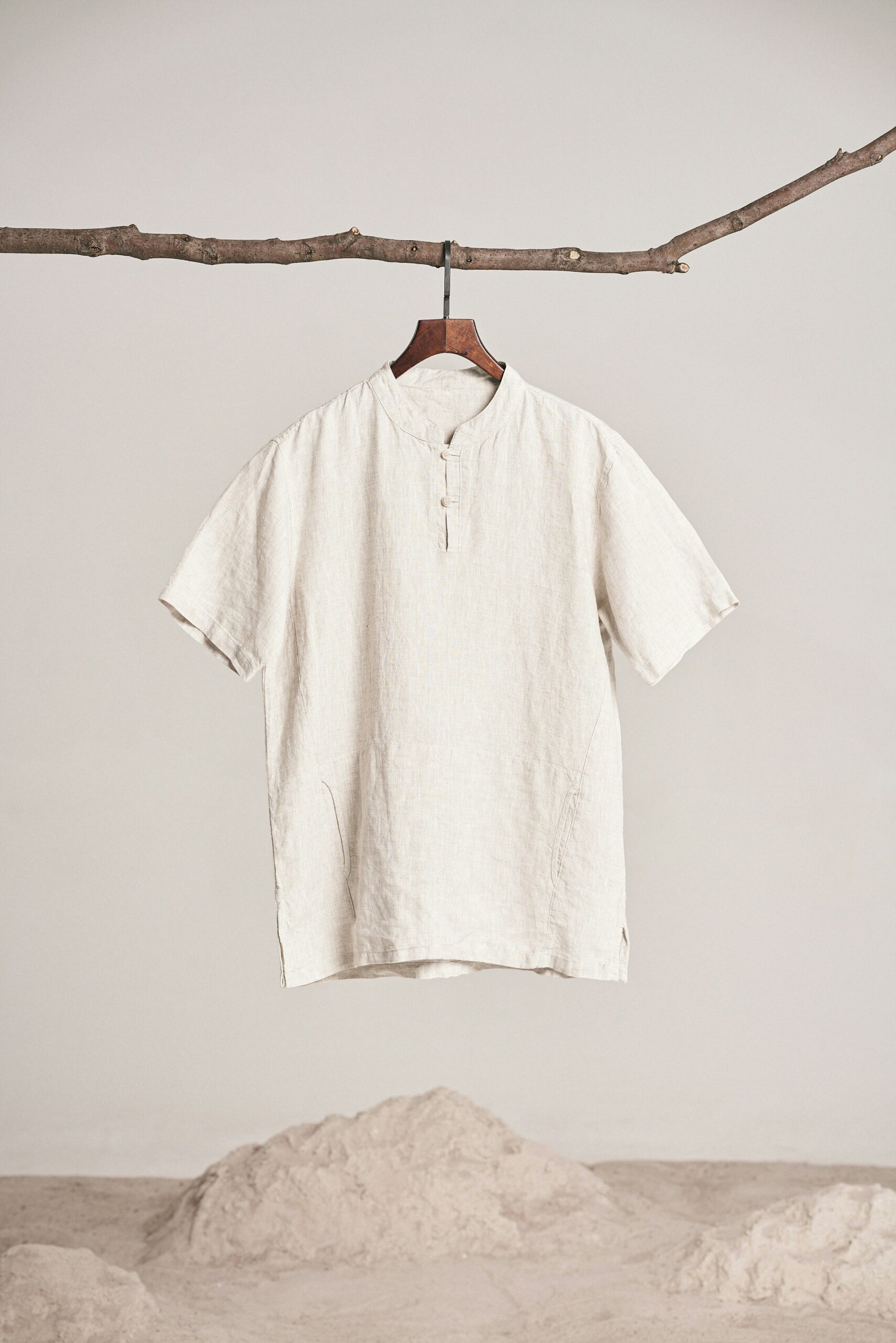
Caring for kids’ linen clothing feels simple, yet small choices make a big difference in comfort and lifespan. Linen stays popular for children because it breathes well, softens over time, and handles active days better than many fabrics. When you know how to care for it, linen becomes a practical everyday option instead of a special‑occasion fabric.
You should wash kids’ linen in cool water with mild detergent, avoid high heat when drying, and store it clean and dry to prevent shrinkage, wrinkles, and fiber damage. These habits protect the natural fibers and keep clothes soft against sensitive skin. With the right care, linen keeps its shape and color through frequent wear and washing.
A few smart routines also save time and frustration. Linen responds best to gentle handling, light ironing if needed, and breathable storage. Master these basics, and you keep kids comfortable while making their clothes last longer.
Key Takeaways
- Gentle washing and low heat protect linen fibers.
- Proper care keeps kids’ linen soft, durable, and comfortable.
- Clean, dry storage helps linen hold its quality over time.
Essential Care Tips for Kids Linen Clothing
You keep linen soft, breathable, and durable by choosing gentle products and using careful washing, drying, and finishing methods. Small adjustments protect fibers, prevent shrinkage, and help children’s garments handle frequent wear and cleaning.
Choosing the Right Detergent
You should use a mild, liquid detergent made for delicate or natural fibers. Harsh detergents strip linen’s natural fibers and cause stiffness over time.
Avoid products with optical brighteners, chlorine bleach, or heavy fragrances. These additives weaken fibers and may irritate sensitive skin.
A simple rule works well: if a detergent suits baby clothes, it suits linen. Use less detergent than recommended for cotton, since linen releases dirt easily. Excess soap often causes residue and dullness after washing.
Washing and Drying Techniques
You protect linen best by washing it in cool or lukewarm water on a gentle cycle. Hot water increases shrinkage, especially in tailored items like kids linen pants.
Wash linen with similar weights and colors. Overloading the machine causes friction and deep wrinkles.
Dry linen on low heat or air-dry flat. High heat damages fibers and locks in creases. Remove garments while slightly damp to reduce wrinkles and maintain shape.
Quick care checklist:
- Cool water only
- Gentle cycle
- Low heat or air-dry
Stain Removal for Linen
You should treat stains as soon as possible. Blot, do not rub, to avoid spreading the stain or breaking fibers.
Use a mild soap or diluted detergent and gently work it into the fabric with your fingers. For food or dirt stains, lukewarm water usually works well.
Avoid bleach, even on white linen. Bleach weakens fibers and causes yellowing over time. If stains persist, repeat gentle treatment instead of increasing chemical strength.
Ironing and Steaming Linen Garments
You achieve the best results by ironing linen while it is slightly damp. Set the iron to a linen or high-cotton setting with steam.
Press on the reverse side to prevent shine, especially on darker colors. Use smooth, steady strokes rather than heavy pressure.
A garment steamer offers a safer option for everyday touch-ups. Steam relaxes fibers without direct heat, making it ideal for structured pieces and everyday items like kids linen pants from trusted collections such as kids linen pants.
Storing and Preserving Linen Quality
Proper storage protects linen from moisture, friction, and light damage. Careful handling reduces wear, keeps fibers strong, and helps kids’ garments stay comfortable through frequent use.
Proper Storage Methods
Store kids’ linen only after it is clean and fully dry. Any leftover moisture can lead to mildew and odor, especially in humid spaces.
Choose a cool, dry, and well‑ventilated area. Closets with steady airflow work better than basements or attics, which often trap heat and moisture.
Use breathable storage options to protect the fabric.
| Item | Best Choice | Why It Works |
| Garment bags | Cotton or canvas | Allows airflow |
| Shelving | Open or slatted | Reduces trapped humidity |
| Folding | Light, loose folds | Prevents deep creases |
Avoid plastic bins and vacuum bags for long-term storage. They trap moisture and compress fibers, which can weaken linen over time.
Avoiding Fabric Damage
Limit direct contact with sunlight and artificial light. Prolonged exposure fades color and dries fibers, even indoors.
Keep linen away from rough surfaces and sharp edges. Snags often happen when garments rub against zippers, hooks, or unfinished wood.
Skip chemical moth repellents. Use natural deterrents like cedar blocks or lavender sachets instead. Place them nearby, not directly on the fabric, to avoid residue transfer.
Do not overpack drawers or shelves. Crowding increases friction, which causes thinning at seams and stress points common in kids’ clothing, such as elbows and knees.
Extending Garment Lifespan
Rotate stored garments every few months. Refolding along different lines reduces permanent creasing and fiber fatigue.
For frequently used items, prefer folding over hanging. Linen stretches under its own weight, especially in smaller sizes where fabric panels are lighter.
Before seasonal storage, check seams, buttons, and elastic. Small repairs prevent larger tears later and keep garments ready for wear.
Label storage containers by size and season. Clear organization reduces unnecessary handling, which helps preserve fabric integrity while making daily use easier for you.
Conclusion
You protect kids’ linen clothing by washing gently, avoiding harsh detergents, and choosing air-drying when possible. These habits help preserve softness, shape, and breathability while reducing wear.
You also benefit from linen’s natural traits, including moisture control and skin-friendly fibers, when you care for it correctly. With consistent, simple care, your child’s linen clothes stay comfortable, safe, and durable for regular use.
You may also like
How to Restore Harmony When Kids Share a Bedroom