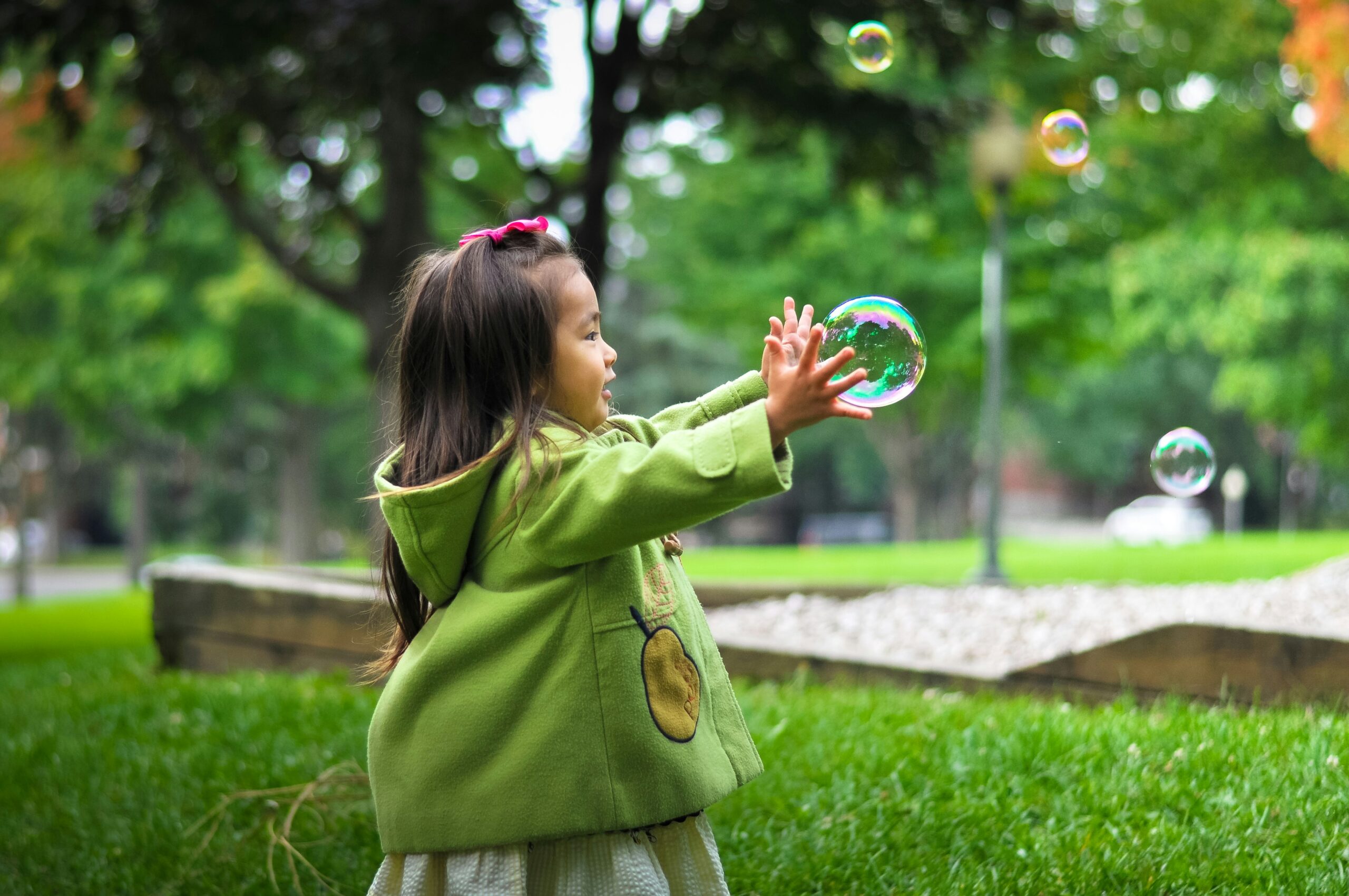
Children often have less time outdoors than any previous generation. Yet research increasingly shows that spending time in nature isn’t just fun, it’s essential for emotional wellbeing. According to this private school in Surrey, nature provides children with a space to explore, play, and reflect, helping them manage stress, build resilience, and develop a positive sense of self.
Here’s why connecting with the natural world can have such a powerful impact on children’s emotional health and how parents can encourage it.
Nature Reduces Stress and Anxiety
Being outdoors naturally lowers stress hormones and calms the nervous system. Even short periods of green space exposure can help children feel more relaxed and less anxious.
How it helps:
- Forests, parks, and gardens offer quiet environments that promote mindfulness
- Natural light and fresh air improve mood and energy
- Gentle sensory experiences—like listening to birds or feeling grass underfoot—can soothe overwhelming emotions
Regular outdoor time gives children a safe space to decompress and regain emotional balance.
Nature Encourages Mindfulness and Emotional Awareness
In nature, children engage all their senses, which promotes mindfulness—the ability to notice thoughts and feelings without judgment.
Activities that foster awareness:
- Observing insects, birds, or plants closely
- Collecting leaves, stones, or flowers and describing their textures and colours
- Journaling or drawing about what they see and feel
Mindful interactions with nature help children understand their emotions and develop emotional regulation skills.
Outdoor Play Boosts Confidence and Resilience
Climbing trees, balancing on logs, or navigating uneven terrain challenges children physically and mentally. Overcoming these challenges builds self-esteem and resilience.
Benefits include:
- Learning to take calculated risks safely
- Experiencing small failures and successes, which builds perseverance
- Feeling capable and competent in their abilities
Nature teaches children that setbacks are part of growth, helping them face challenges calmly in other areas of life.
Connection with Nature Fosters Empathy and Social Skills
Spending time in natural environments encourages cooperative play, shared discovery, and a sense of responsibility for living things.
Ways children develop empathy:
- Caring for plants or animals
- Working together on outdoor projects or games
- Observing how ecosystems work and the impact of human actions
These experiences help children cultivate compassion, patience, and teamwork—skills closely tied to emotional intelligence.
Nature Inspires Joy and Curiosity
Perhaps most importantly, nature sparks wonder. This sense of awe and curiosity fuels joy, creativity, and a positive outlook—key components of emotional wellbeing.
Ideas to encourage exploration:
- Go on family nature walks or scavenger hunts
- Encourage collecting and examining natural treasures like stones or leaves
- Spend time stargazing, cloud-watching, or listening to wildlife
Joyful, curiosity-driven experiences in nature help children associate learning and exploration with pleasure, not pressure.
Practical Tips for Integrating Nature Into Daily Life
- Daily mini-outings: Even a short walk to the park or playing in the backyard counts.
- Unstructured outdoor time: Allow children to explore freely rather than directing every activity.
- Family adventures: Weekend hikes, beach trips, or forest walks encourage bonding and reduce stress.
- Gardening together: Growing plants or vegetables teaches responsibility and provides calming, hands-on engagement.
- Screen-free nature time: Encourage unplugged outdoor play to foster presence and connection.
Nature is more than a playground, it’s a powerful tool for nurturing emotional wellbeing. From reducing stress and anxiety to boosting confidence, empathy, and joy, outdoor experiences give children the space to understand themselves and the world around them. By prioritising time in nature, parents help their children develop emotional resilience and a lifelong love for the natural world.
The outdoors isn’t just fresh air, it’s emotional nourishment for growing minds.
You may also like
5 Fun Ways to Learn at Home as a Family