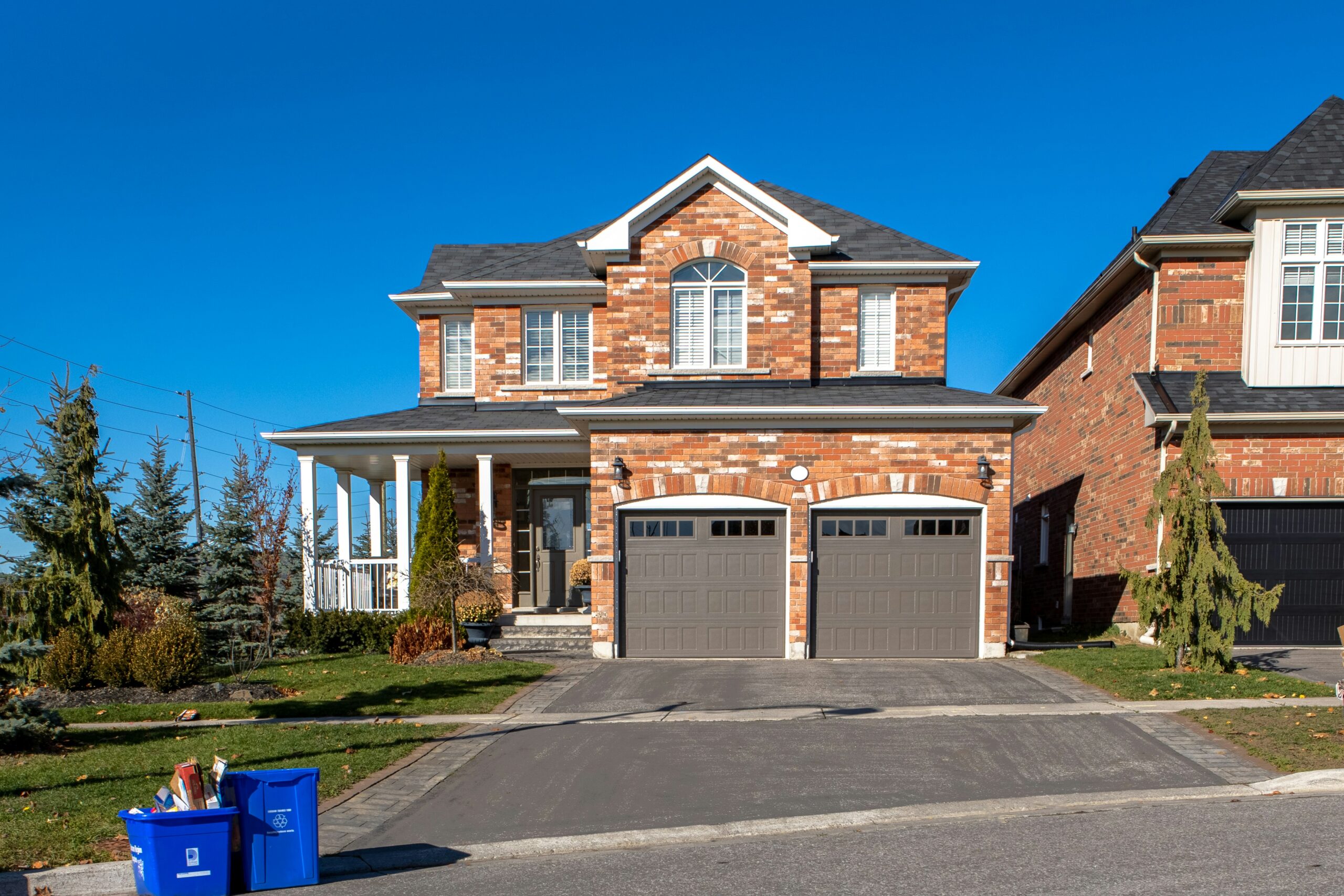
An asphalt driveway doesn’t usually fail all at once. It ages gradually, with small cracks, slight fading, maybe a surface that feels a bit rougher than it used to. At first, none of it seems urgent. It still works. You can still drive over it without thinking twice.
But durability isn’t just about whether the driveway is still there. It’s about how well it holds up over time, how it responds to pressure, weather, and everyday use. Most asphalt driveways are expected to last anywhere from 15 to 25 years, but that range can shift quite a bit depending on how they’re built and maintained. Some hold up longer than expected. Others start showing wear much earlier.
Here are five factors that tend to make the biggest difference.
1. The Quality of Installation at the Start
A lot of what determines lifespan happens before the driveway is even used. The base preparation, the thickness of the asphalt layer, and the compaction process all shape how well the surface performs later. If the foundation isn’t stable, the surface above it won’t be either, no matter how good it looks at first. That’s why, when homeowners start comparing options, working with an Asphalt Paving Company often becomes part of the decision, not just for the material itself but for how the groundwork is handled.
This is usually where experience starts to show. In discussions around proper base preparation and long-term durability, names like Woodbine Paving tend to come up, particularly when the focus is on getting the structure right from the beginning rather than correcting issues later. Because once the asphalt is laid, there’s no easy way to fix what’s underneath.
2. Climate and Seasonal Changes
The weather doesn’t treat asphalt gently. In colder climates, freeze-thaw cycles can cause the material to expand and contract repeatedly. Water seeps into small cracks, freezes, expands, and slowly widens those gaps. Over time, what started as a hairline crack can turn into something much more noticeable.
Hot weather brings its own challenges. High temperatures can soften asphalt, especially if it’s exposed to direct sunlight for long periods. That can lead to slight indentations, particularly in areas where vehicles sit for extended periods. The driveway doesn’t need extreme conditions to wear down. Just consistent exposure.
3. How Much Weight Does It Carry Regularly
Not all driveways are used the same way. A surface that handles light residential traffic will age differently compared to one that regularly supports heavier vehicles like trucks, trailers, or delivery vans. The pressure adds up, especially in the same spots, near the garage, at the curb, or along turning points.
Over time, that repeated stress can lead to:
● Surface depressions
● Cracking in high-pressure areas
● Gradual weakening of the base
It’s not always immediate. But it’s consistent.
4. Maintenance Habits (or Lack of Them)
This is where lifespan can stretch or shorten quite a bit. Small cracks don’t stay small. Sealing them early can prevent water from getting in and causing more serious damage. Ignoring them allows the problem to spread beneath the surface. Sealcoating, for example, doesn’t just improve appearance. It adds a layer of protection against moisture, UV exposure, and chemical spills.
A few simple habits can make a noticeable difference:
● Filling cracks early
● Keeping the surface clean
● Applying sealcoat every few years
None of these steps is complicated. But they do require consistency.
5. Drainage Around the Driveway
Water is one of the biggest factors affecting asphalt durability, and it doesn’t always come from obvious sources. Poor drainage can cause water to collect along the edges or seep beneath the surface. Over time, this weakens the base and leads to cracking, sinking, or uneven sections.
Sometimes the issue isn’t the driveway itself, but the surrounding landscape. Slight slopes, blocked drainage paths, or improper grading can all contribute. It’s one of those factors that often goes unnoticed until visible damage appears.
Final Thoughts
An asphalt driveway’s lifespan isn’t fixed. It shifts based on how it’s built, how it’s used, and how it’s maintained over time. Some signs of wear are inevitable. That’s part of the material. But how early those signs appear, and how quickly they progress, depends on these underlying factors.
Paying attention to them doesn’t just extend the life of the driveway. It keeps small issues from turning into larger ones that require more time, effort, and cost to fix. Because in the end, durability isn’t just about how long it lasts. It’s about how well it holds up along the way.
You may also like
5 Things To Consider Before Buying New Fences