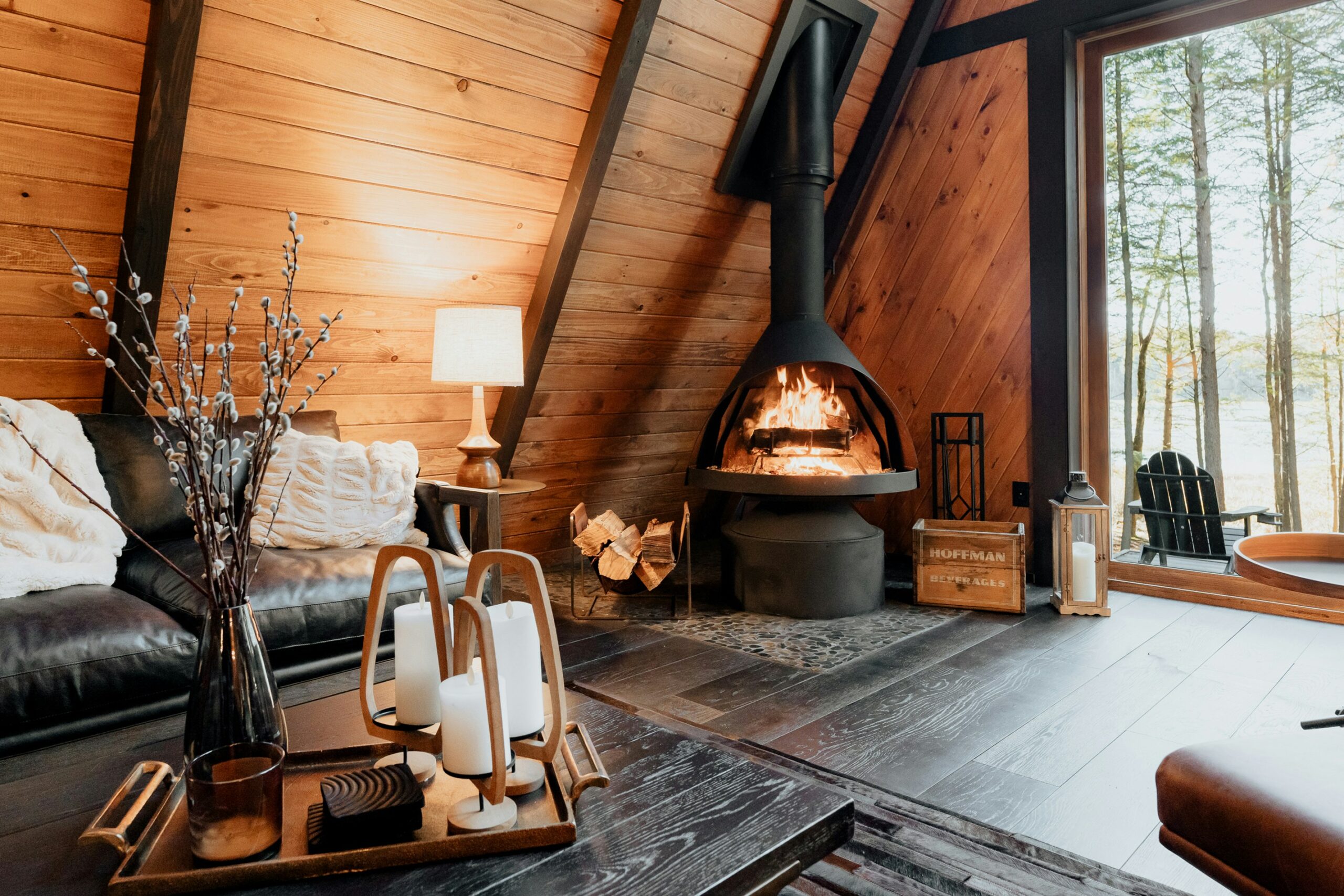
As the nights get longer and there’s a definite chill in the air, we all start thinking about making our homes warm and cosy for winter. Getting your place ready for the cold doesn’t have to be a huge list of annoying chores. With a simple plan, you can make sure your family stays snug, safe, and comfy all season long. Taking care of a few key things now can save you from drafty rooms and unexpected problems down the road.
Insulation and Draught Proofing
One of the quickest and best ways to warm up your home is to stop heat from sneaking out. Drafts from doors, windows, and even letterboxes can make a room feel much colder. Easy fixes like sticky foam strips around window frames or a classic sausage dog draft stopper at the bottom of a door can really help. Check for gaps around your skirting boards and fill them with some flexible sealant. And don’t forget your loft insulation; adding more if it’s less than the suggested 270mm is a smart move that will help keep your heating bills down.
Checking Your Heating System
Before you really need it, it’s a good idea to give your heating system a quick check-up. Turn your heating on for a little while to make sure everything is working right. Go around to each radiator and see if it heats up evenly. If the top is cold but the bottom is warm, it probably needs bleeding, which is an easy job you can do yourself with a radiator key. This is also a great time to book a professional boiler service to ensure it’s running safely and efficiently. If you’re thinking about upgrading your heating, it’s worth choosing radiators that complement your home’s style as well as improve comfort. Traditional options like column radiators for period properties provide reliable heat while preserving the character of older homes, making them a practical choice for both renovations and heritage interiors.
Cosy Textiles and Decor
Getting ready for winter isn’t just about practical tasks; it’s also about creating that warm, cosy feeling. This is your perfect excuse to embrace the Danish idea of ‘hygge’. Put away those light cottons and linens and bring out your heavier, softer fabrics. Think chunky knit blankets for the sofa, a faux fur throw for the bed, and a thick, soft rug for the living room floor. Swapping your curtains for a heavier, thermal-lined pair not only makes things look cosier but also adds an extra layer of insulation against cold windowpanes at night.
Safety First: Carbon Monoxide
With the heating on and windows often closed, winter is a really important time to be careful about carbon monoxide (CO) safety. This gas is invisible and has no smell, and it’s made when fuels like gas, oil, coal, and wood don’t burn completely. Every home with an appliance that burns fuel, like a boiler, gas fire, or log burner, should have an audible carbon monoxide alarm. The NHS suggests putting alarms in each room with a fuel-burning appliance, about one to three meters away from it. Remember to test your alarms regularly, just like you would a smoke detector, to make sure the batteries are working.
Winter-Proofing Outdoor Spaces
Don’t forget the outside of your house when you’re getting ready for the cold. A full winter home maintenance checklist will always include outdoor jobs. Clogged gutters can cause water to overflow, which might lead to damp problems or damage to your brickwork, so give them a good clean-out after most of the leaves have fallen. Protect your outdoor taps from freezing by putting on an inexpensive insulating cover. It’s also a good idea to put away garden furniture and kids’ toys, or cover them securely, to protect them from the harsh weather. If you’re going away, you’ll need to take extra steps to prepare a vacant home to avoid problems like frozen pipes.
Going through these simple steps helps you settle in for a warm, worry-free winter, ready to enjoy all the cosy moments the season brings.
You may also like
Top Tips For Winter Proofing Your Home