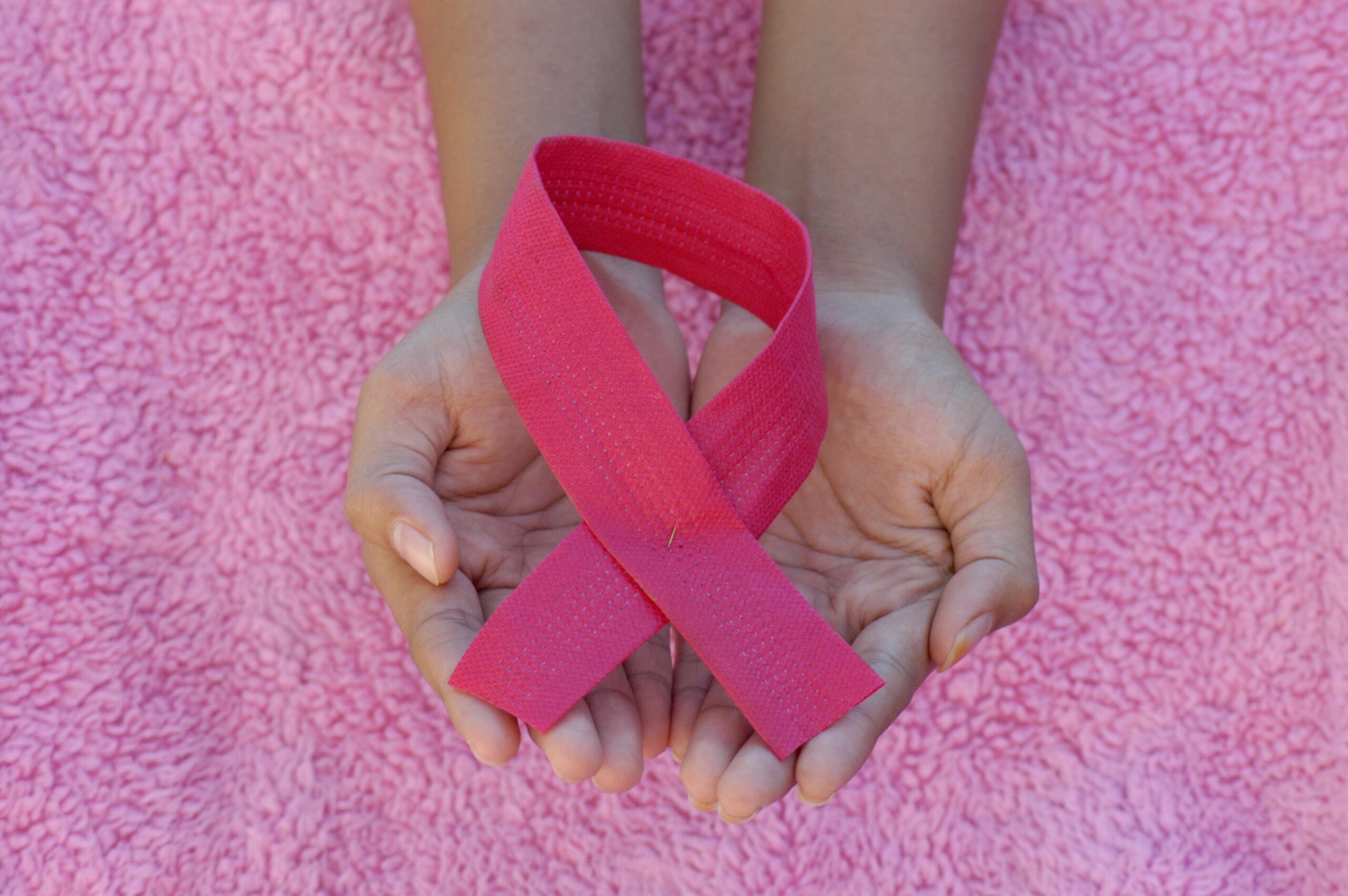
A breast cancer diagnosis is one of the most overwhelming experiences a person can face. There are medical decisions to process, emotions to work through, and a flood of information coming from every direction. Among the choices that often feel the most personal and the most confusing is what to do about breast reconstruction.
Not everyone who has a mastectomy chooses reconstruction, and that’s a completely valid decision. But for those who do want to explore it, understanding what the options actually are, in plain language, without the medical jargon, can make a significant difference to how in-control and informed you feel during an already difficult time. This guide covers the main pathways, what affects which options are available to you, and what the process generally looks like.
First Things First: You Don’t Have to Choose Reconstruction
The first thing worth knowing is that breast reconstruction is entirely optional. Some women choose to go flat, to live without reconstruction, and find that decision deeply empowering. Others choose a prosthetic. And many choose reconstruction, either at the time of mastectomy or months or years later. All of these paths are legitimate, and a good surgeon will present all of them honestly rather than steering you toward any particular one.
According to the American Cancer Society, the Women’s Health and Cancer Rights Act of 1998 requires most health insurance plans that cover mastectomy to also cover breast reconstruction, including surgery on the opposite breast if needed for symmetry. Knowing this upfront can remove one significant layer of stress when you’re still trying to understand your options.
When it comes to choosing a reconstructive surgeon, the breadth of techniques they offer matters enormously because not every approach suits every patient’s anatomy, health history, or goals. Practices like breast reconstruction in Bend, OR by Dr. Nick Vial take this kind of comprehensive approach. Dr. Vial offers every type of reconstruction from implant-based to autologous (own-tissue) methods, including the DIEP flap procedure a microsurgical technique that uses tissue from the lower abdomen to create a natural breast mound. He is the first and currently the only board-certified plastic surgeon within a 175-mile radius of central Oregon to offer this option, which means women in the region no longer need to travel long distances to access world-class reconstructive care. Every patient receives a frank, detailed consultation focused on their specific anatomy and goals not a one-size-fits-all plan.
Option 1: Implants – The Most Common Route
Implant-based reconstruction is the most common approach. It uses a silicone or saline implant to recreate the breast mound after the breast tissue has been removed. In some cases this can be done in a single stage, at the same time as the mastectomy, but often it is done in two stages.
The two-stage approach involves first placing a tissue expander beneath the chest muscle. Over several weeks or months, the expander is gradually filled with saline to stretch the skin and muscle, creating space for the permanent implant. Once the tissue has expanded enough, a second surgery replaces the expander with the final implant.
Implant reconstruction has a shorter initial recovery time compared to tissue-based methods, and does not require a second donor site on the body. It is a well-established technique with decades of clinical experience behind it. The tradeoff is that implants are not permanent — they may need to be replaced or revised over time, and outcomes can vary depending on how the tissue heals around the implant.
Option 2: Using Your Own Tissue — A More Natural Result
Autologous reconstruction uses tissue from another part of your own body — typically the abdomen, back, or thigh — to create the new breast. The most widely performed technique is the DIEP flap (Deep Inferior Epigastric Perforator flap), which uses skin, fat, and blood vessels from the lower abdomen.
Because the reconstructed breast is made from your own tissue, it looks and feels more natural than an implant, ages alongside your body, and does not carry the same risk of implant-related complications over time. There is also a cosmetic benefit to the donor site — removing tissue from the lower abdomen has a similar effect to a tummy tuck, so many women feel the recovery involves two improvements at once.
The tradeoff is that DIEP flap surgery is technically complex and requires a surgeon with specialised microsurgical training. It is a longer procedure with a more involved recovery, and it creates a scar at the donor site as well as the chest. It is also not available everywhere — which is why geography plays a real role in access to this option. For women in Oregon and the Pacific Northwest, having a qualified microsurgical reconstructive surgeon within the region is a genuinely significant advantage.
Should It Happen Right Away, or Can It Wait?
Reconstruction can be performed immediately — meaning it begins at the time of the mastectomy in the same surgical session — or it can be delayed until after you’ve recovered from the cancer surgery and, if applicable, completed radiation or chemotherapy.
Immediate reconstruction has the advantage of waking up from surgery with a breast mound already in place, which many women find emotionally significant. It can also involve fewer total surgeries. However, it isn’t always the right choice medically — particularly when radiation is planned, as radiation can affect how reconstructed tissue heals and may change the timeline of what’s possible.
Delayed reconstruction gives the body time to fully heal from cancer treatment before the reconstructive process begins. Some women also need that time emotionally — to process their diagnosis, complete treatment, and then decide on reconstruction from a place of greater clarity. There is no wrong answer here; the right timing is the one that best fits your medical situation and your own readiness.
The Finishing Touch: Nipple Reconstruction
For women who want a complete reconstruction, nipple and areola reconstruction is typically the final stage. This is usually done as a minor outpatient procedure after the breast mound has fully healed. Techniques vary and can involve local flap surgery to create a three-dimensional nipple projection, followed by tattooing to restore the appearance and colour of the areola.
Nipple-sparing mastectomy is another option for some patients, where the surgeon removes the breast tissue but preserves the natural nipple and areola. Whether this is possible depends on the tumour location and the specifics of the cancer treatment plan, and it is a conversation worth having with your breast surgeon and reconstructive surgeon together.
Final Thoughts
Breast reconstruction is not a single decision — it’s a series of conversations, each of which builds on the last. The most important thing you can do as you navigate this process is find a surgeon who takes the time to explain your options clearly, honestly, and without rushing you toward any particular outcome. Someone who listens to your goals, respects your values, and presents the full picture — including the option to choose nothing at all.
Whether you are just beginning to explore what’s possible or are already well into the decision-making process, having access to a surgeon who offers every technique — from the simplest implant approach to the most complex microsurgical reconstruction — gives you the full range of choice. In Bend, Oregon and across the Pacific Northwest, that kind of access is available closer to home than many women realise. The most important first step is simply asking the questions that matter most to you.
You may also like
Compare For Cancer Donate All Their Profits To Cancer Charities