
If your teenager is heading into GCSEs, you may have noticed there’s a strange gap between “doing revision” and actually learning anything from it. Reading a textbook for an hour feels like revision. Highlighting half a page in three colours feels like revision. Re-reading the same set of notes for the third time really feels like revision. The trouble is that none of those things lead to much going into long-term memory, which is the bit that actually shows up in the exam.
Here’s what we see working consistently for GCSE students, and a few things that don’t.
Why most revision feels productive but isn’t
Re-reading and highlighting are popular because they’re comfortable. You can do them with one eye on the music video playing in the background, or while texting a friend. The research is fairly clear though: passive review barely sticks. Your child’s brain needs to do something with the information for it to lodge.
The shorthand for that “doing something” is active recall, which just means pulling information out of your head rather than putting it back in. It’s harder than re-reading, and that’s exactly why it works.
1. Past paper questions, without notes
The highest-value revision technique in the lot. Sit down with a question, attempt it from memory, then check the answer. The struggle to retrieve the information is what builds the memory. Frustrating, and effective.
2. Topic-by-topic videos, followed by questions
For Science and Maths, short videos paired with practice questions are a brilliant way in. This is the loop Cognito is built around. Free to use (with some limits on the free tier), five-to-ten-minute videos mapped to the exam board, with practice questions afterwards so watching loops straight into active recall. Try it free first, and if your teen finds it useful, Strawberry Fountain readers get 20% off Pro with the code STRAWBERRY20.
3. Flashcards (used properly)
Flashcards work, but only if the student actively recalls the answer before turning the card over. Most teenagers flip the card too fast. The pause between “what do I think the answer is” and “let me check” is where the learning happens. Quizlet, Anki, and a stack of paper cards all work fine for this.
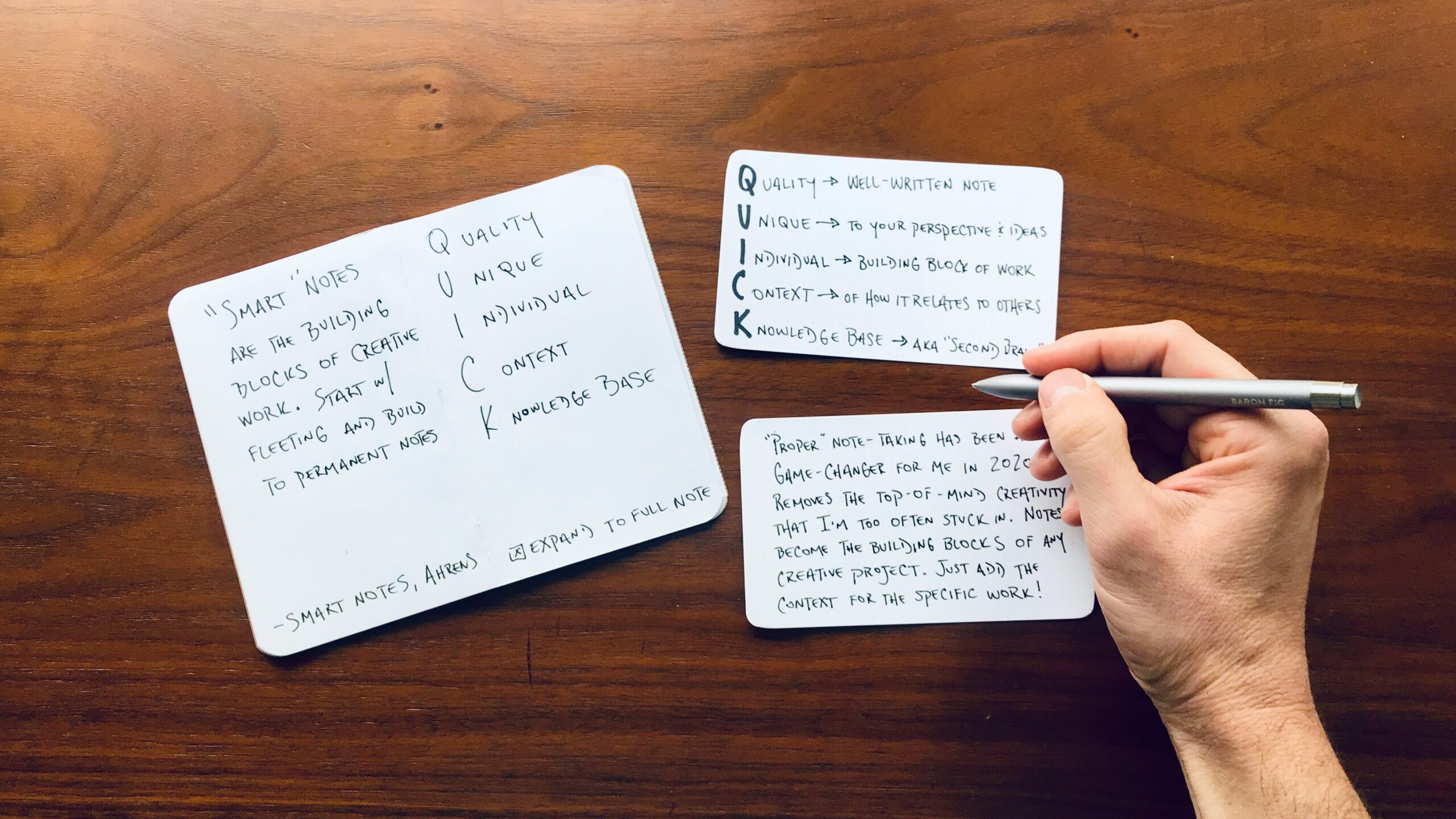
4. The blurting technique
Read a topic. Close the book. Write everything you can remember on a blank sheet of paper. Then check what you missed and go again. It’s low-tech, a bit dull, and one of the most effective methods going.
5. Teaching it back
If your child can explain a topic out loud, to you, to a sibling, to the dog, they understand it. If they can’t, they don’t quite have it yet. It’s a brilliant diagnostic, and a low-stakes way to ask “do you actually know this?”
6. Spaced repetition over cramming
Twenty minutes today, twenty minutes in three days, twenty minutes a week later beats ninety minutes the night before. Apps with spaced repetition built in will do the timing for you, but a paper schedule works too.
What doesn’t work, despite feeling like it does
- Re-reading the same notes more than twice
- Highlighting in lots of colours
- Copying out notes neatly
- Watching long video tutorials passively
- Revising in a room with a phone face-up on the desk
A parent’s role
Your child needs to find the techniques that fit their brain, but they often need a nudge towards the harder ones. Modelling helps. “Shall we do a quick past paper, no notes?” lands better than “have you done active recall today?”
The techniques above aren’t the only ones, but they’re the ones that come up again and again when GCSE students who’ve done well are asked what they did. Often the boring answer (past papers, repeatedly, without notes) really is the right one.
About the Author
Jono Ellis, CPO at Cognito. Partnered with The Strawberry Fountain. Cognito is free to use. Readers get 20% off Cognito Pro with the code STRAWBERRY20.
You may also like
Setting Up the Perfect Study Space for Your Child