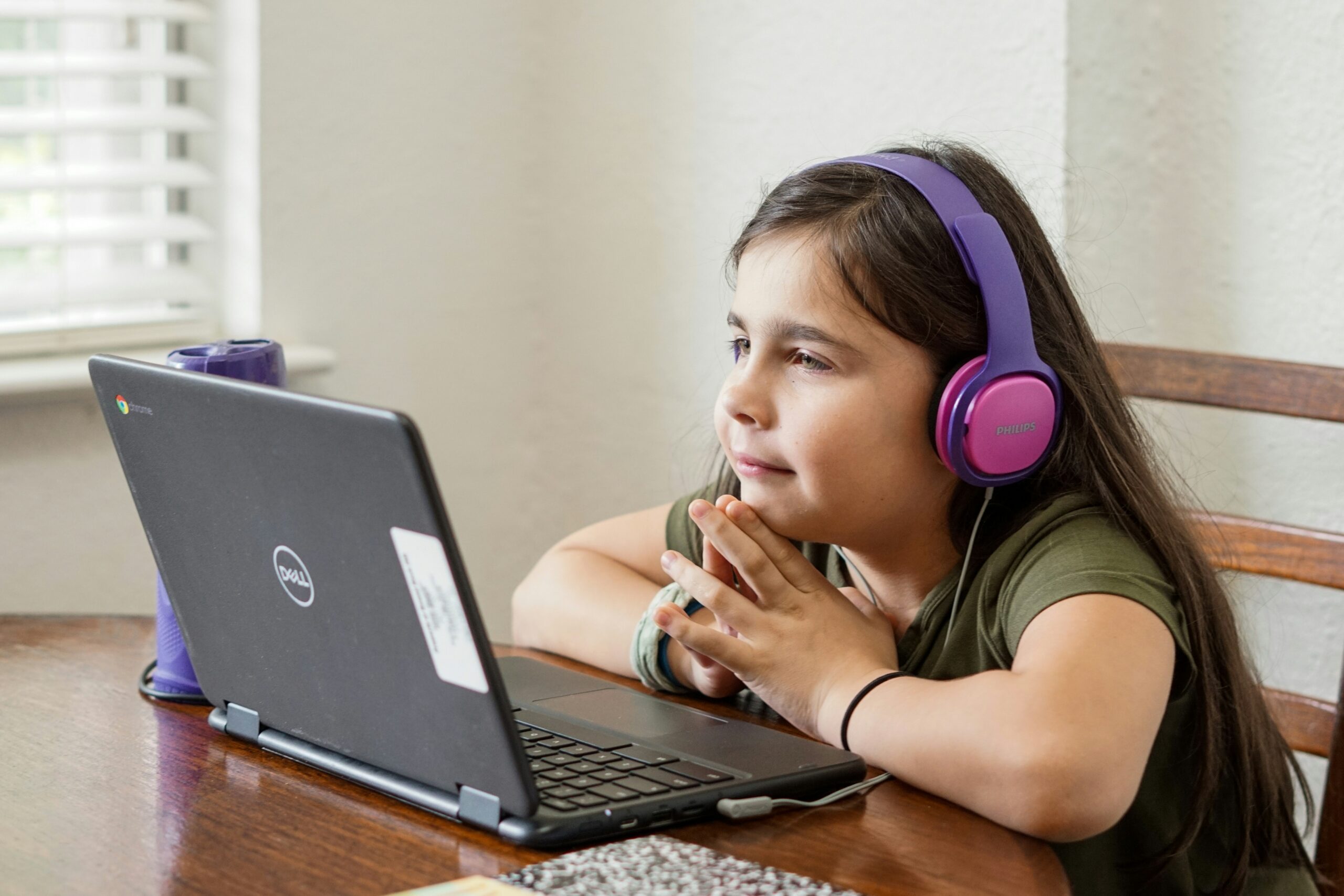
In today’s digital world, coding isn’t just a technical skill—it’s a way of thinking. Learning to code in one of Surrey’s private schools teaches children more than how to build websites or apps; it equips them with problem solving strategies, logical reasoning, and creativity that extend far beyond screens. Introducing coding lessons at a young age can fundamentally change how children approach challenges, reason through problems, and express ideas.
Here’s why coding helps children think differently and why it’s worth exploring.
Coding Develops Problem Solving Skills
At its core, coding is about breaking big problems into smaller, manageable steps. When children write a program or debug code, they learn to:
● Identify challenges clearly
● Explore multiple solutions
● Test and refine approaches
● Learn from mistakes rather than giving up
This structured approach to problem solving translates into everyday life—whether figuring out how to organise a project, solve a puzzle, or plan a science experiment.
Coding Encourages Logical Thinking
Coding requires understanding cause-and-effect relationships. Every command or line of code has a consequence, teaching children to think logically and sequentially.
Benefits include:
● Developing reasoning skills for math and science
● Enhancing the ability to organise thoughts
● Encouraging careful planning before taking action
Logical thinking gained through coding helps children approach problems methodically and make thoughtful decisions.
Coding Sparks Creativity and Innovation
Many people think coding is purely technical, but it’s actually a deeply creative activity. Children learn to express ideas in new ways—through games, animations, or interactive stories.
Ways coding fosters creativity:
● Designing unique projects from scratch
● Experimenting with different solutions
● Seeing immediate results and iterating
This blend of creativity and technical skill encourages children to think outside the box and approach challenges in innovative ways.
Coding Teaches Resilience and Growth Mindset
Writing code often involves trial and error. Programs rarely work perfectly the first time, so children learn to persevere, debug, and improve their work.
How this builds resilience:
● Mistakes are viewed as learning opportunities
● Patience and persistence are reinforced
● problem solving confidence grows
These skills are invaluable, both academically and in life beyond school.
Coding Strengthens Collaboration and Communication
Many coding projects involve teamwork, even at beginner levels. Children learn to:
● Share ideas clearly and listen to others
● Work together to troubleshoot problems
● Explain their thought process to peers or mentors
These collaborative experiences enhance social skills and the ability to communicate complex ideas effectively.
Coding Prepares Children for the Future
Even beyond computer science, coding equips children with versatile skills. Logical reasoning, problem solving, creativity, and persistence are valuable in every field—from medicine to engineering to art. Learning to code early helps children approach any challenge with a structured, adaptable mindset.
Coding lessons are more than just learning to write lines of code—they’re a powerful tool for developing a new way of thinking. Children who code learn to problem-solve, reason logically, embrace challenges, and innovate creatively. By introducing coding in a fun, supportive way, parents and educators can help children build skills that last a lifetime—both on and off the screen.
In a world increasingly driven by technology, coding isn’t just a skill—it’s a mindset, and one that empowers children to think differently, explore boldly, and create confidently.
You may also like
Why Are Drama Lessons Important for Kids?